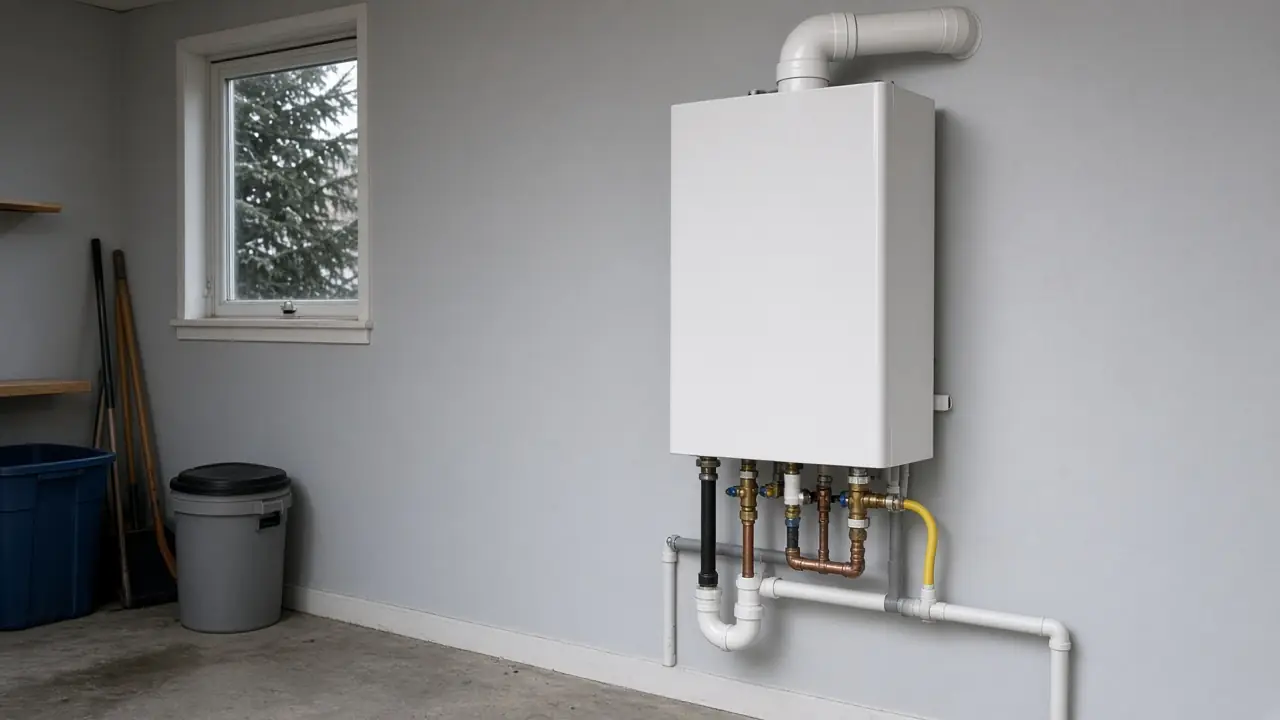
A tankless water heater in Portland, OR is sized by flow rate at the coldest incoming water temperature, which drops in winter. Before buying, confirm the gas line can carry the unit's high input along with every other gas appliance, plan a vent route that meets code clearances, and plan a condensate drain for condensing models. Most first installs need permits. Done well, tankless provides endless hot water and long service life; done poorly, it leads to error codes and cold showers.
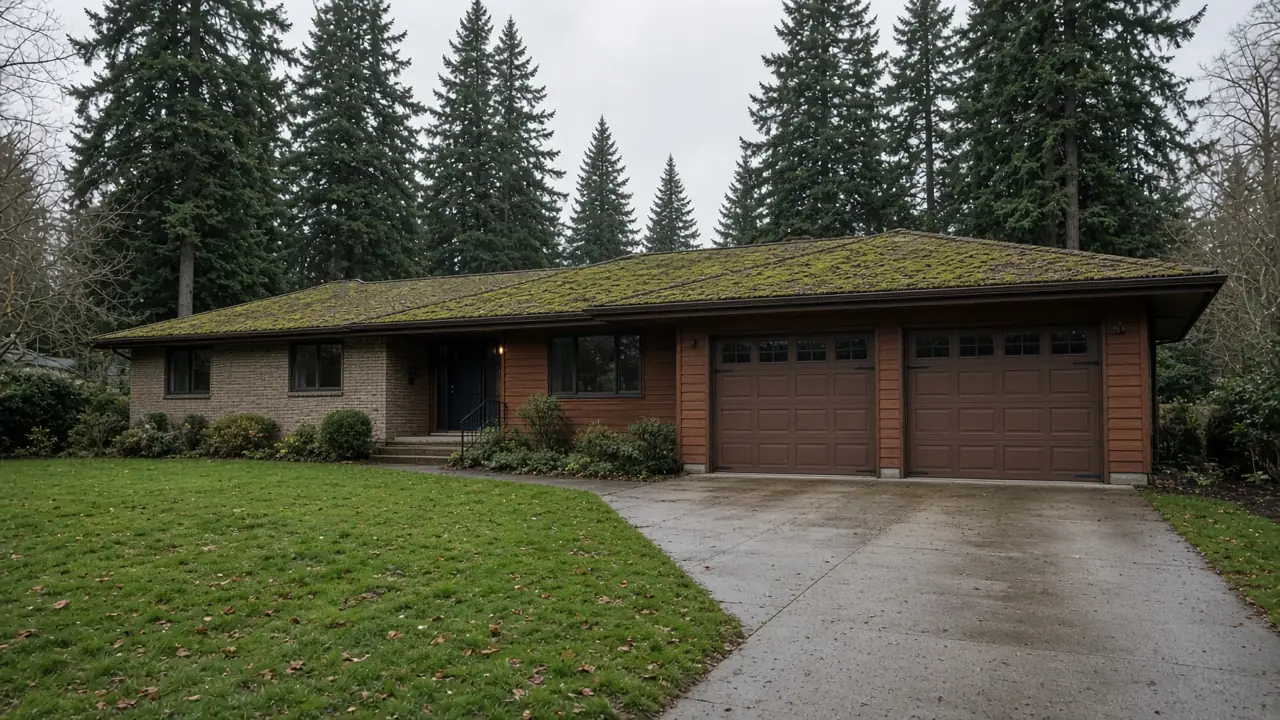
Tankless units appear in Portland garages, basements, and closets, from newer infill houses on the east side near Mt. Tabor Park to remodeled west hills homes near Washington Park, where wall space is limited.
Sizing for Portland water
Tankless output is measured in gallons per minute at a given temperature rise. Winter inlet water in Portland is cold, so a unit must deliver a larger temperature rise in January than in August. Add up the fixtures likely to run together, such as two showers and a dishwasher, and size for that flow at the winter rise. Undersized units deliver lukewarm water at high demand.
Gas line capacity
Gas tankless units often draw far more fuel at full fire than a tank heater. The existing line from the meter may be too small, particularly in older homes with long runs. A load calculation compares every appliance's input with pipe size and length. Undersized gas lines cause ignition failures and flame faults. In some cases the meter or regulator may need attention from NW Natural.
Venting
Tankless units vent through a side wall or roof with specific materials. Condensing models often use plastic pipe and need a condensate drain with a neutralizer. Termination clearances from windows, doors, and property lines apply. Old chimneys generally cannot be reused.
Electrical and freeze protection
Tankless units need electricity for controls and fans, so they do not work during outages unless backed by a generator or battery. Units in garages or on exterior walls rely on freeze protection that also needs power. Plan for storms.
Water quality and maintenance
Service valves allow descaling, and the inlet filter should be easy to reach. Portland's soft water keeps scale modest, but annual or periodic descaling is still recommended by most manufacturers. See the tankless descaling guide.
Permits and incentives
Installations generally require a plumbing permit and may need mechanical permits for gas and venting. See the City of Portland plumbing permits page. Some efficient gas models may qualify for incentives through Energy Trust of Oregon.
Is tankless the right choice?
Tankless suits homes with steady gas supply, wall space, and demand for long showers. If space and gas line upgrades make it costly, a heat pump water heater or a standard water heater replacement may be a better fit.
Location choices
Garages are popular because they offer wall space and an easy side-wall vent, but they expose the unit to cold. Basements protect the unit from freezing and often sit close to the gas meter. Closets inside the living space need careful vent routing and may need a condensate pump. Each location changes the cost, so ask for options.
Recirculation
Tankless units take a few seconds to deliver hot water, and long pipe runs add more delay. Some models include a recirculation pump or support an external one, which brings hot water to distant fixtures faster at the cost of some energy use. Timers or on-demand buttons reduce that cost.
What a first tankless install in Portland should cover
- Gas load calculation for every appliance and the pipe length from the meter
- Unit sized by flow rate at the coldest realistic inlet temperature
- Vent material and termination chosen per the manufacturer and code clearances
- Condensate drain and neutralizer planned for condensing models
- Isolation service valves and an accessible inlet filter installed
- Electrical outlet or circuit provided for controls, fans, and freeze protection
- Permits pulled for plumbing and, where needed, mechanical work
Tankless install prep list for Portland
Before requesting a first tankless quote in Portland, list every gas appliance in the house, note the distance from the gas meter to the proposed unit location, and photograph the wall where it would hang and the outside wall where the vent would exit. Count the showers and appliances that run together on a busy morning. Check the electrical panel label for open spaces. Those details let an installer size the gas line, vent, and unit properly the first time.
Tankless water heater installation by city
Each city page below covers local housing, water, and permit notes for this service.
- Tankless water heater installation in Beaverton
- Tankless water heater installation in Gresham
- Tankless water heater installation in Hillsboro
- Tankless water heater installation in Lake Oswego
- Tankless water heater installation in Tigard
- Tankless water heater installation in Milwaukie
- Tankless water heater installation in Tualatin
- Tankless water heater installation in Happy Valley
Portland at a glance
- Coverage: Portland, Oregon and nearby cities, shown on the map on this page at city level, not a business address.
- Landmarks named on this site: Forest Park, Washington Park, and Mt. Tabor Park.
- Permits: City of Portland residential plumbing permits and the Oregon Building Codes Division.
- Incentives: Energy Trust of Oregon lists current water heater offers.