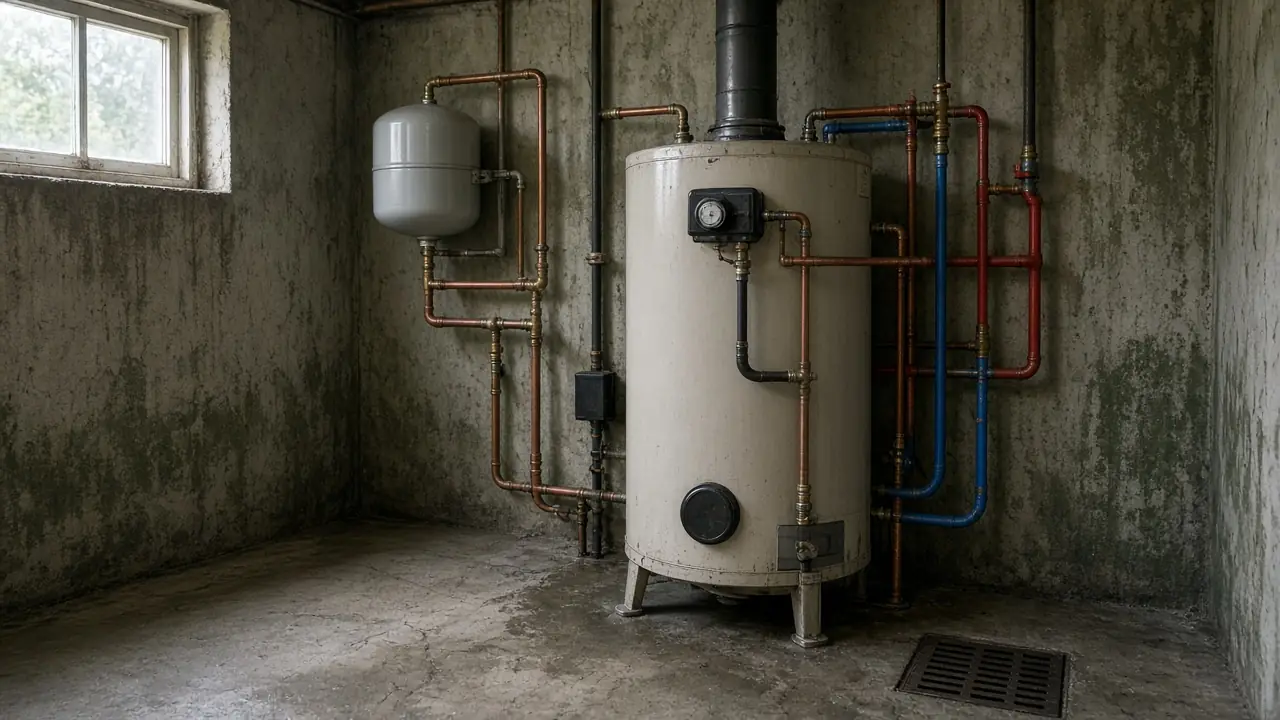
Replace a water heater in Portland, OR when the tank leaks from its body, the base is rusted, or the unit is past about twelve years and needs a costly part. A proper replacement includes a residential plumbing permit, seismic strapping, a correctly piped relief valve, an expansion tank where the system is closed, and a venting check on gas units. Choosing between gas, electric, and heat pump comes down to your existing connections, the space, and incentives.
Replacement in Portland ranges from simple swaps in an open east side basement near Mt. Tabor Park to tight installs in west hills houses near Washington Park, where narrow stairs and old chimneys shape the plan.
Choosing the fuel and type
Gas tank. Fast recovery and familiar costs. A gas tank with a standing pilot can work during power outages, which matters in Portland winter storms. Venting must be checked: if a new high-efficiency furnace no longer shares the old chimney, a lone water heater may be venting into an oversized flue that needs a liner.
Electric tank. No venting and a simple install, but slower recovery. Good for condos and closets where gas is not available.
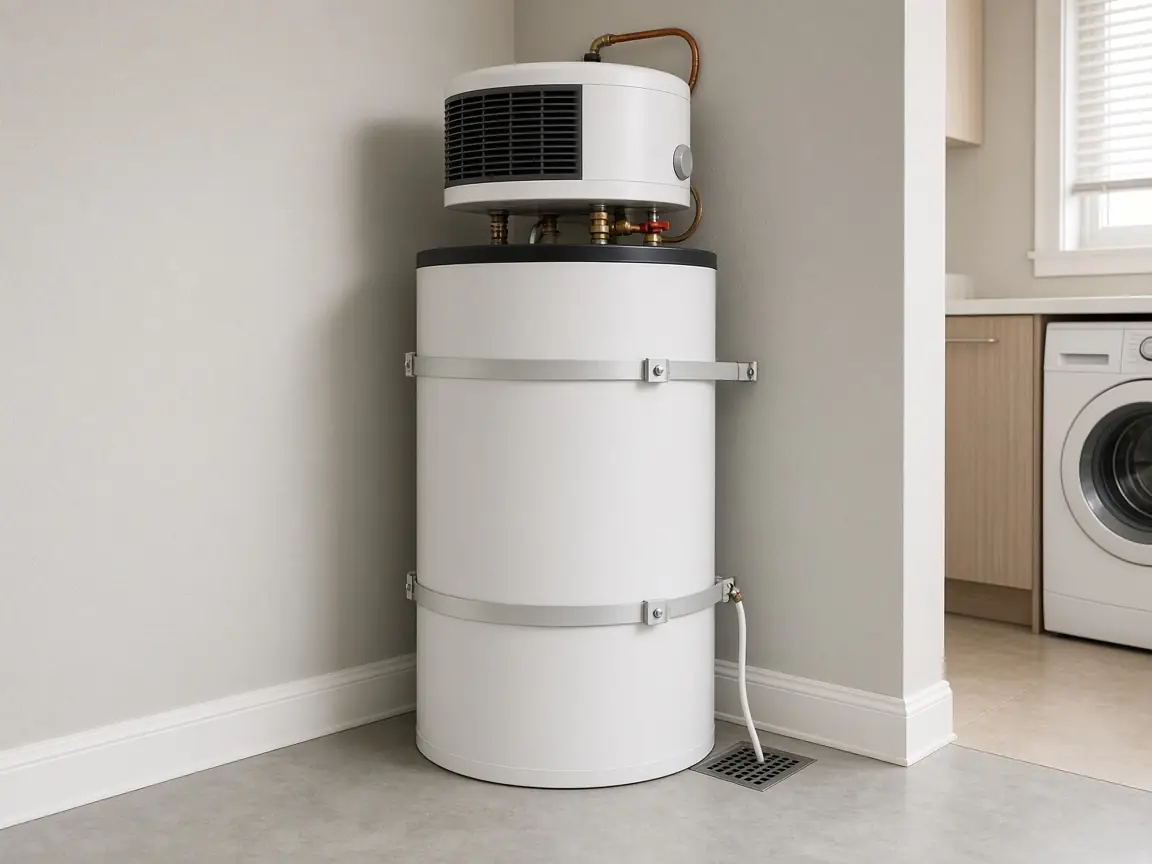
Heat pump water heater. Uses far less electricity than a standard electric tank by pulling heat from surrounding air. It needs space, a condensate drain, and ideally a garage or basement that stays above roughly 40 degrees. The heat pump guide covers whether your space works, and Energy Trust of Oregon lists current incentives.
Tankless. A larger project that often requires gas line upgrades and new venting. See tankless water heater installation.
Sizing
Most households use a 40- or 50-gallon tank. Count bathrooms, simultaneous showers, and large tubs. A heat pump tank's slower recovery can argue for the next size up. Oversizing costs standby energy; undersizing means cold showers.
Code items that should be in the quote
- Residential plumbing permit; see the City of Portland permit page.
- Seismic strapping, required in Oregon.
- A relief valve with a discharge pipe routed to an approved location.
- An expansion tank on systems with a pressure-reducing valve or backflow device.
- Venting and combustion air checks for gas units.
- Drain pan where a leak could damage finished space.
The permit guide explains who can pull the permit and how inspection works.
Access and removal
Measure door widths, stair turns, and the space itself before buying. Newer tanks with thicker insulation can be wider than the old one. Basements with steep stairs may require extra hands and time, which affects cost. Ask how the old tank will be removed and disposed of.
What changes the price
Quotes vary for real reasons. A same-fuel swap in an open basement with good access is the simplest job. Costs rise when the vent needs a liner or a new route, when the gas line or electrical circuit must be upgraded, when the relief valve discharge must be re-routed, or when an expansion tank, pan, or new shutoff valve is added. Switching fuel, such as gas to heat pump, adds electrical work and can change permit types. Ask each installer to list these items separately so quotes can be compared line by line, and ask whether the permit fee is included.
Timing the replacement
Replacing a tank before it fails lets you choose the model, compare quotes, and line up incentives. Waiting until it leaks usually means taking whatever is in stock. If your tank is past ten years, start comparing options now.
When repair still makes sense
If the tank is dry and under eight years old with a single failed part, see water heater repair before committing to replacement.
What a Portland replacement should include
- Old tank drained, disconnected, and hauled away
- New heater sized from first-hour rating and household demand
- Seismic strapping installed to current Oregon requirements
- Relief valve discharge piped to an approved termination
- Thermal expansion tank added or checked where the system is closed
- Gas connector, vent connector, or electrical circuit matched to the new unit
- Drain pan, leak alarm, or automatic shutoff considered for finished spaces
- Permit pulled and final inspection scheduled
Replacement prep list for Portland
Before comparing replacement quotes in Portland, collect a photo of the old rating plate, a tape-measured photo of the space including door widths along the path in, the fuel type, the breaker size for electric units, and the vent type for gas units. Note any problems the old heater had, such as running out of hot water, so the new one can be sized for real demand. Ask each quote to list the permit, haul-away, expansion tank, straps, pan, and any fuel-change work as separate lines.
Water heater replacement by city
Each city page below covers local housing, water, and permit notes for this service.
- Water heater replacement in Beaverton
- Water heater replacement in Gresham
- Water heater replacement in Hillsboro
- Water heater replacement in Lake Oswego
- Water heater replacement in Tigard
- Water heater replacement in Milwaukie
- Water heater replacement in Tualatin
- Water heater replacement in Happy Valley
Portland at a glance
- Coverage: Portland, Oregon and nearby cities, shown on the map on this page at city level, not a business address.
- Landmarks named on this site: Forest Park, Washington Park, and Mt. Tabor Park.
- Permits: City of Portland residential plumbing permits and the Oregon Building Codes Division.
- Incentives: Energy Trust of Oregon lists current water heater offers.