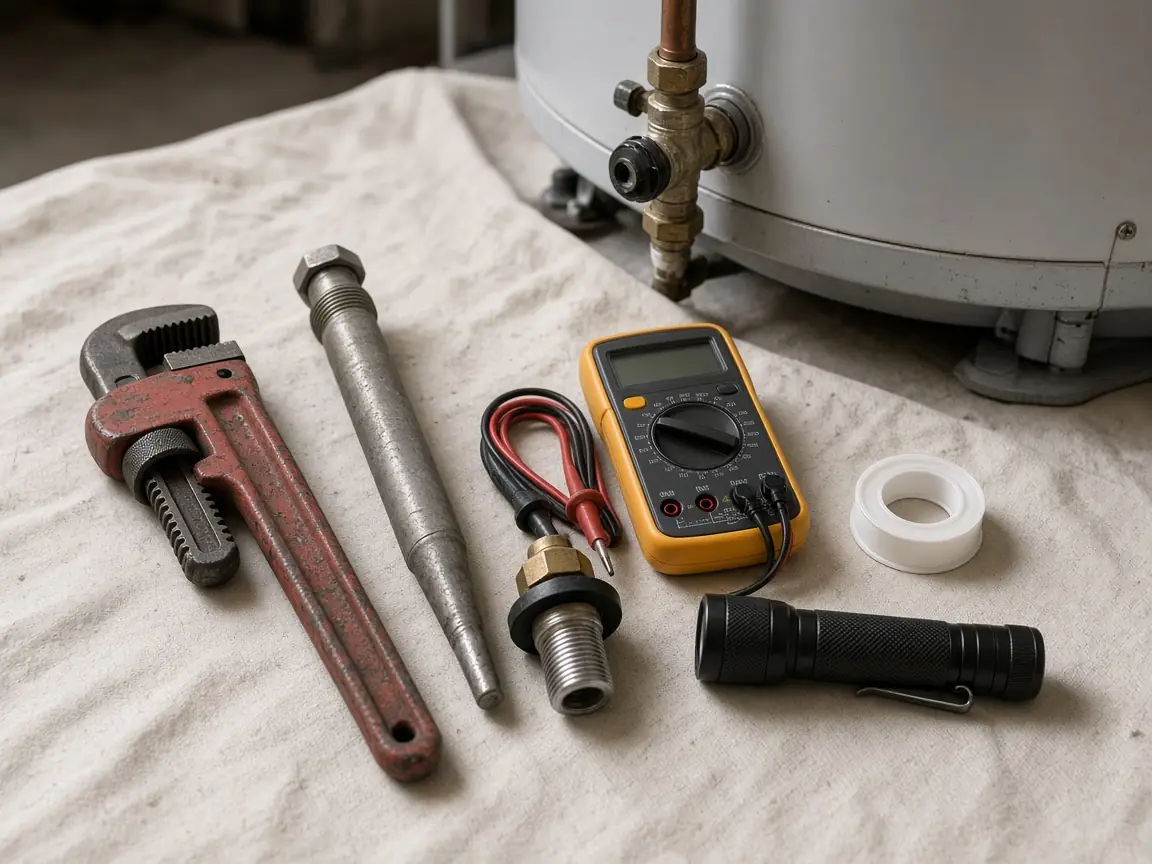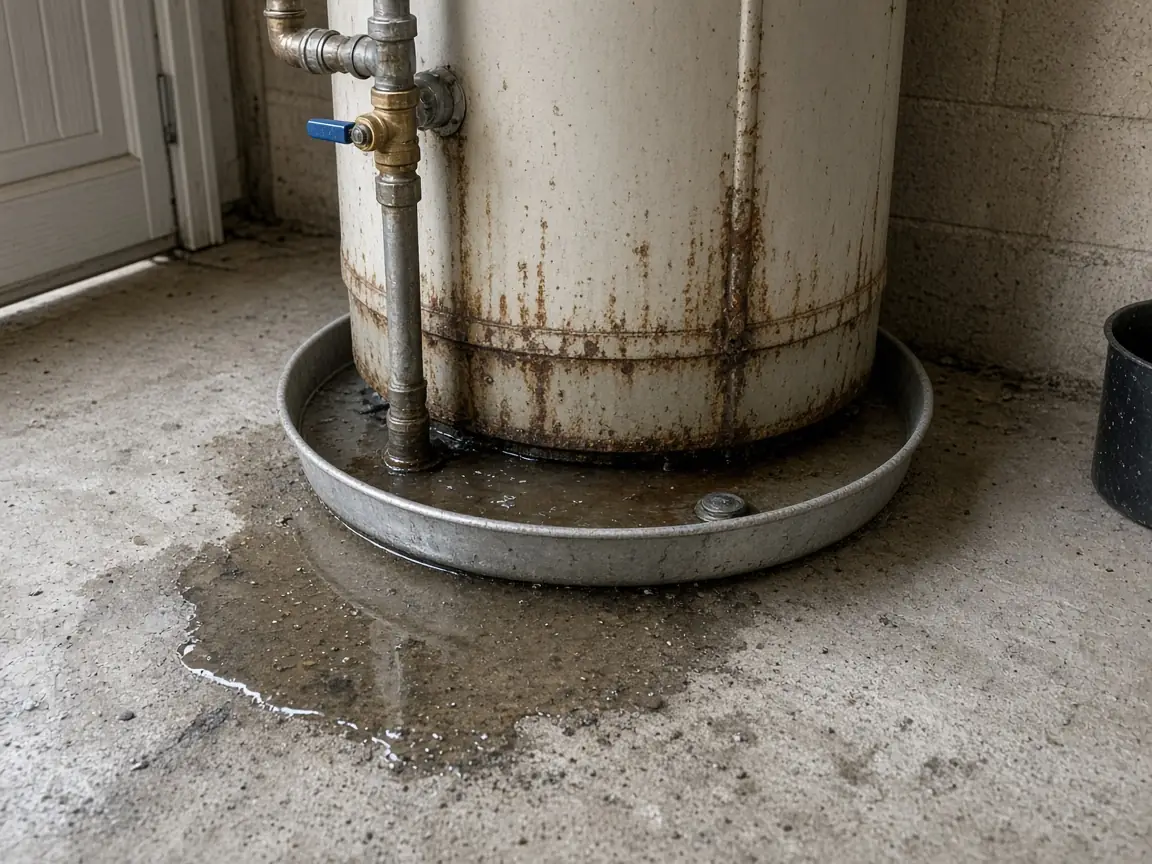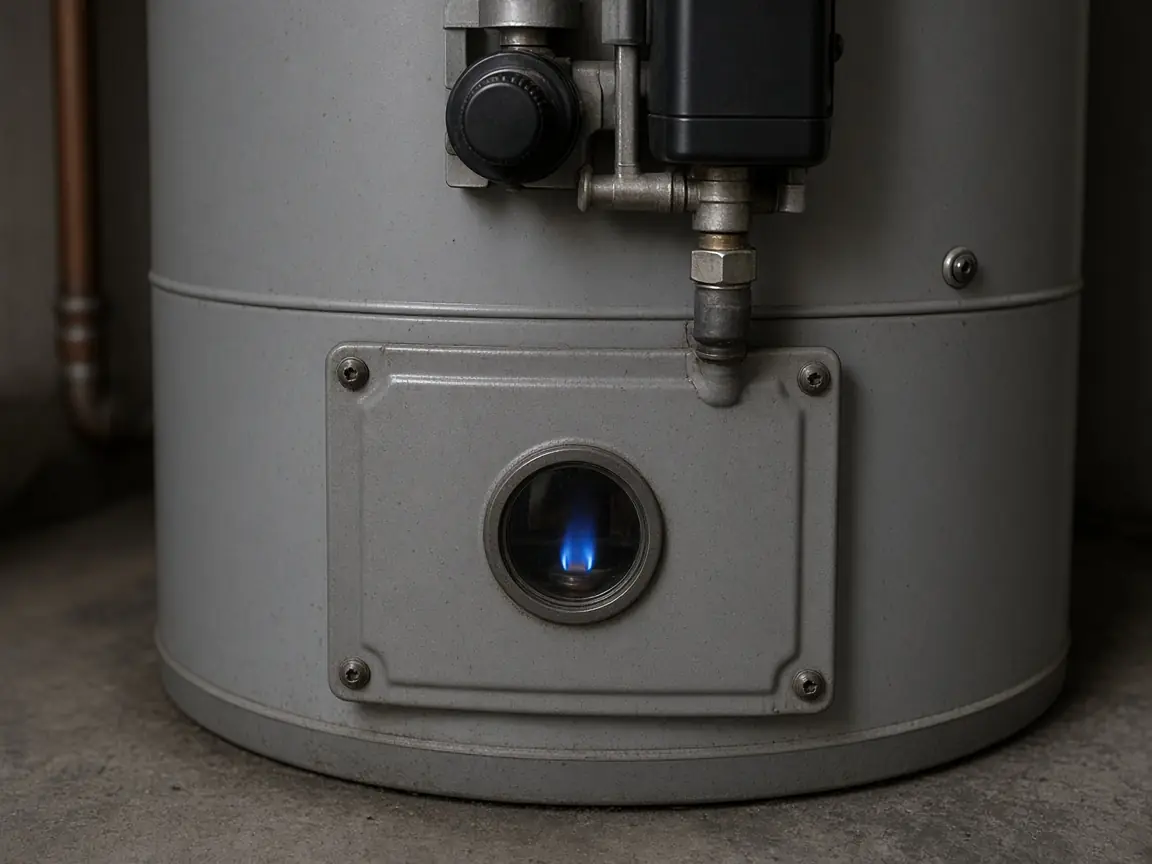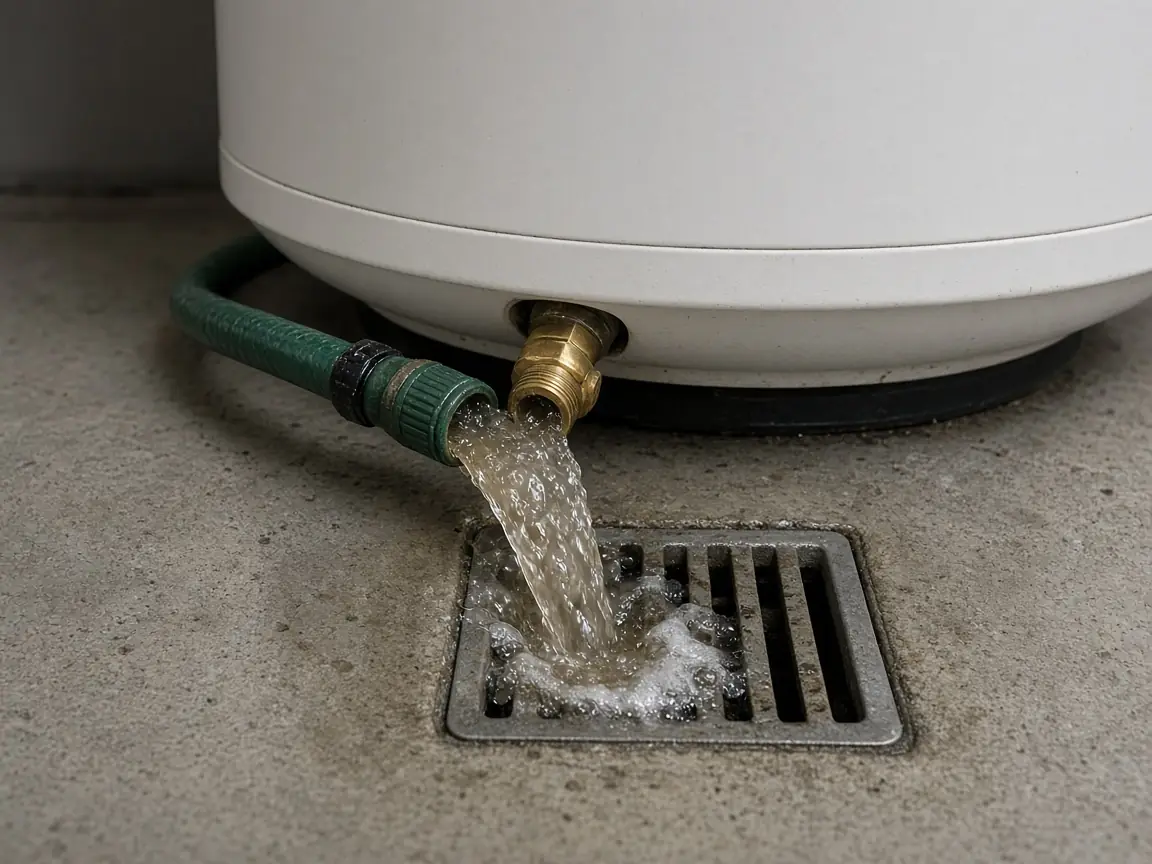
Most water heater problems in Portland, OR come down to four things: no heat, not enough hot water, strange noises, or water where it should not be. Start by checking whether the tank or the floor around it is wet, read the manufacture date on the rating plate, and confirm the breaker or gas supply is on. A dry tank under about ten years old with one failed part is usually worth repairing. A tank that is leaking from its body, or a unit well past its expected life, usually points to replacement.
Portland Water Heater Repair is an information site for homeowners in Portland, Oregon and the surrounding cities. It explains how tank, tankless, gas, electric, and heat pump water heaters fail in the kinds of houses found here, what a good repair or replacement should include, and where to find the official permit and incentive pages that apply.
Why Portland water heaters fail the way they do
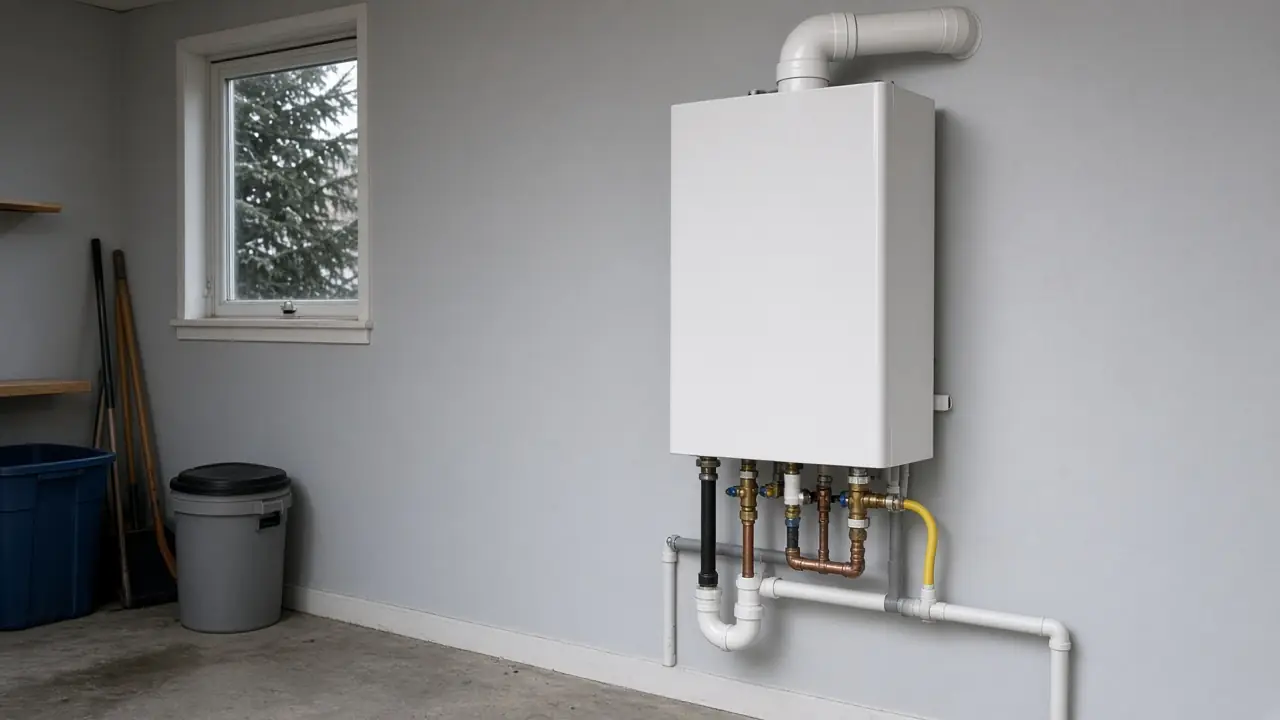
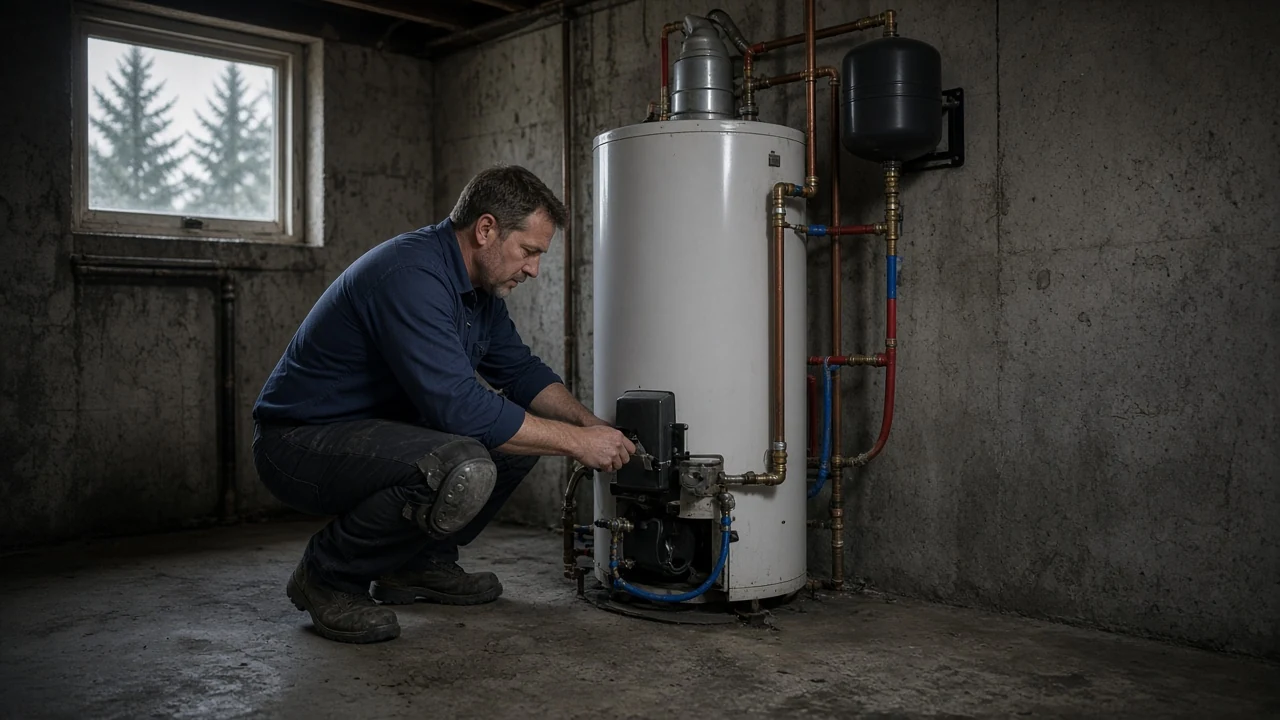
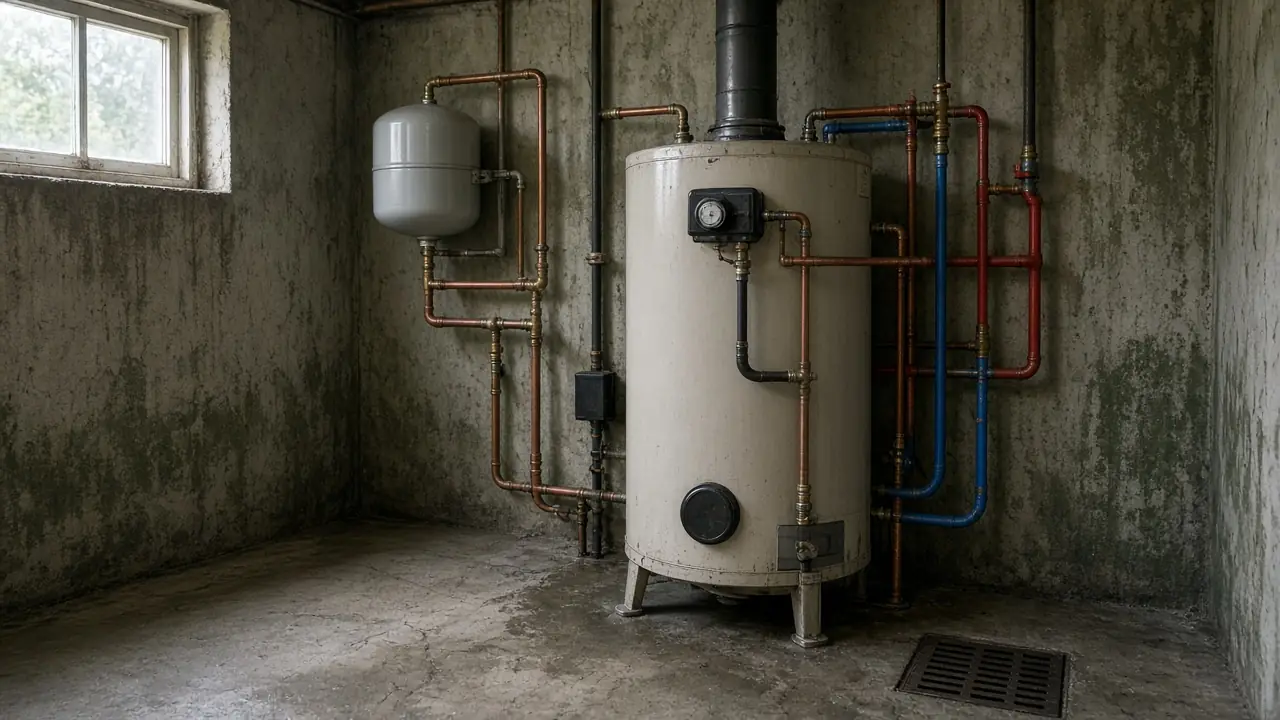
Portland's housing stock shapes its water heater problems. Older neighborhoods on both sides of the Willamette are full of early 1900s houses and mid-century bungalows with unfinished basements, where gas tanks sit beside furnaces and share old masonry chimneys. Damp basements and garages invite rust on tank jackets, gas valves, and fittings. Newer townhomes and infill houses often tuck an electric tank or a tankless unit into a closet or garage wall, where access and venting drive most of the cost of any job.
The water itself is a smaller factor than in many cities. Much of Portland is served by the Bull Run watershed, which is naturally soft, so heavy mineral scale is less common than in harder-water regions. That does not mean sediment never builds up. Tanks still collect debris, anodes still wear out, and homes on other suppliers or wells can see more minerals. Your water bill names your supplier, and that is the first clue to how often a tank or tankless unit needs flushing. The hard water guide explains how to tell.
Rain and cold matter too. Long, wet winters bring cooler incoming water, which makes a tank work harder and exposes weak elements and undersized tankless units. The rainy-season guide walks through what to check when a cold morning starts with a cold shower.
Services explained on this site
Each service page explains the symptoms, the likely causes, what a careful visit should check, and when repair stops making sense.
- Water heater repair covers tank heaters with no heat, short hot water, lukewarm water, noise, or weeping fittings.
- Water heater replacement covers choosing between gas, electric, and heat pump tanks, and the code items that come with a new install.
- Emergency water heater repair covers what to do first when a tank is leaking, a relief valve is running, or you smell gas.
- Gas water heater repair covers pilots, thermocouples, igniters, gas valves, and venting.
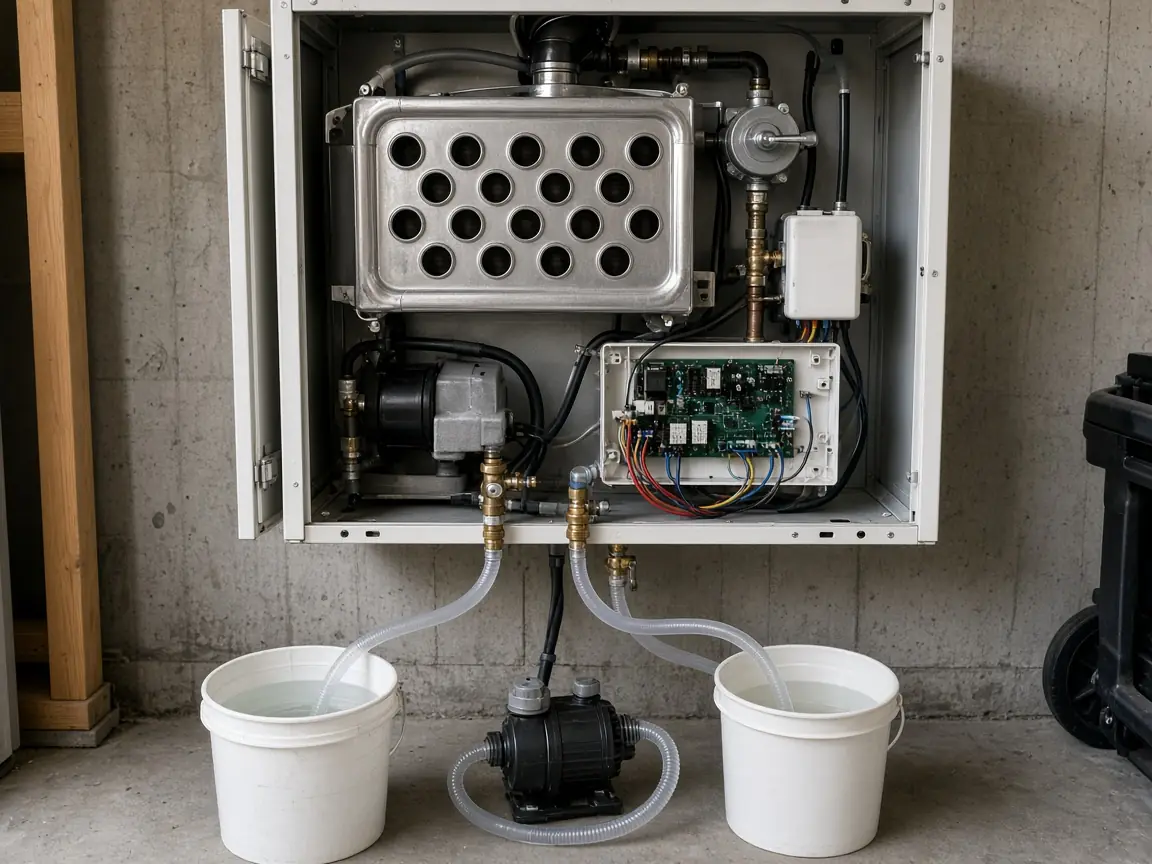
- Water heater flush covers draining sediment from a noisy tank and when flushing an old tank is a bad idea.
- Tankless water heater installation covers gas line sizing, venting, and condensate for a first unit.
- Tankless water heater repair covers error codes, ignition failure, and flow problems.
- Tankless water heater replacement covers replacing an older tankless unit and checking vent and gas compatibility.
Repair or replace: a quick framework
Age is the strongest signal. Tank water heaters commonly last somewhere around eight to twelve years, and tankless units often last longer with maintenance. Within that range, condition decides.
Repair usually makes sense when the tank is dry, the unit is less than about eight years old, and one part has failed: an electric element or thermostat, a thermocouple, a relief valve, or a drain valve. These are modest parts and the rest of the tank has years left.
Replacement usually makes sense when water is coming from the tank body or from under the jacket, the base is rusted, the tank is past twelve years, or a major part such as a gas control valve fails on an older unit.
The gray zone is a tank between eight and twelve years old. Fixing a cheap part is reasonable; planning a replacement on your own schedule is smarter than waiting for a leak.
Safety first
If water is spreading from a tank, shut the cold supply valve above the heater, then turn off the power at the breaker for an electric unit or set a gas control to off. If you smell gas, leave the house, avoid switches and flames, and call NW Natural or 911 from outside. If the relief valve is discharging constantly, do not cap or plug it; the valve is protecting the tank from excess pressure or temperature. The emergency page has the full order of steps.
Permits and incentives
In Portland, replacing a water heater generally requires a residential plumbing permit, and changes to gas lines or venting can bring in mechanical work. The City of Portland residential plumbing permits page lists what applies, and the Oregon Building Codes Division explains statewide rules for other cities. Oregon also requires that water heaters be installed by appropriately licensed people; the permit guide explains how to check a license.
Efficient upgrades may qualify for incentives. Energy Trust of Oregon lists current offers for heat pump water heaters and some gas units, and offers change over time, so check before you buy.
Portland places and what they say about local homes
Portland's neighborhoods run from the forested west hills to the flatter east side, and the housing follows the terrain. Homes along the edges of Forest Park, one of the largest urban forests in the country, tend to be older houses on steep, damp lots where basements and garages stay cool and humid most of the year. That environment is hard on gas valves, burners, and tank jackets, and it is part of why the Forest Park garage noise guide exists.
West hills homes near Washington Park often have old chimneys and tight utility spaces, so replacement there involves venting and access planning.
Downtown and along the river near Tom McCall Waterfront Park, condos and apartments often rely on electric tanks in closets, where element failures and limited space are the usual problems. On the east side, around Mt. Tabor Park, bungalows with basement gas tanks are common.
Cities near Portland
City pages cover local differences in water, housing, and permits:
- Beaverton and Hillsboro on the west side, with many newer garages and tankless installs.
- Gresham and Happy Valley to the east and southeast.
- Lake Oswego, Tigard, Tualatin, and Milwaukie to the south.
The service area overview compares them.
Guides for Portland homeowners
The guides section goes deeper on single topics: tankless descaling, gas venting in basements, heat pump water heaters, expansion tanks, anode rods, and electric elements.
About this site and the phone number
The phone number shown in the header and footer is a placeholder and is not yet a working line. This site does not take bookings or collect contact details. See the contact page for the current status and the about page for how the information here is put together.