Water heater services for Portland, OR homes fall into three groups: fixing a tank that still holds water, replacing one that no longer can, and installing or servicing tankless units. Match your symptom to the right page below. If water is spreading or you smell gas, start with the emergency page.
Each service page explains causes, what a careful visit should check, what to gather beforehand, and when repair stops making sense. Each also links to city versions for Beaverton, Gresham, Hillsboro, Lake Oswego, Tigard, Milwaukie, Tualatin, and Happy Valley.
Tank water heaters
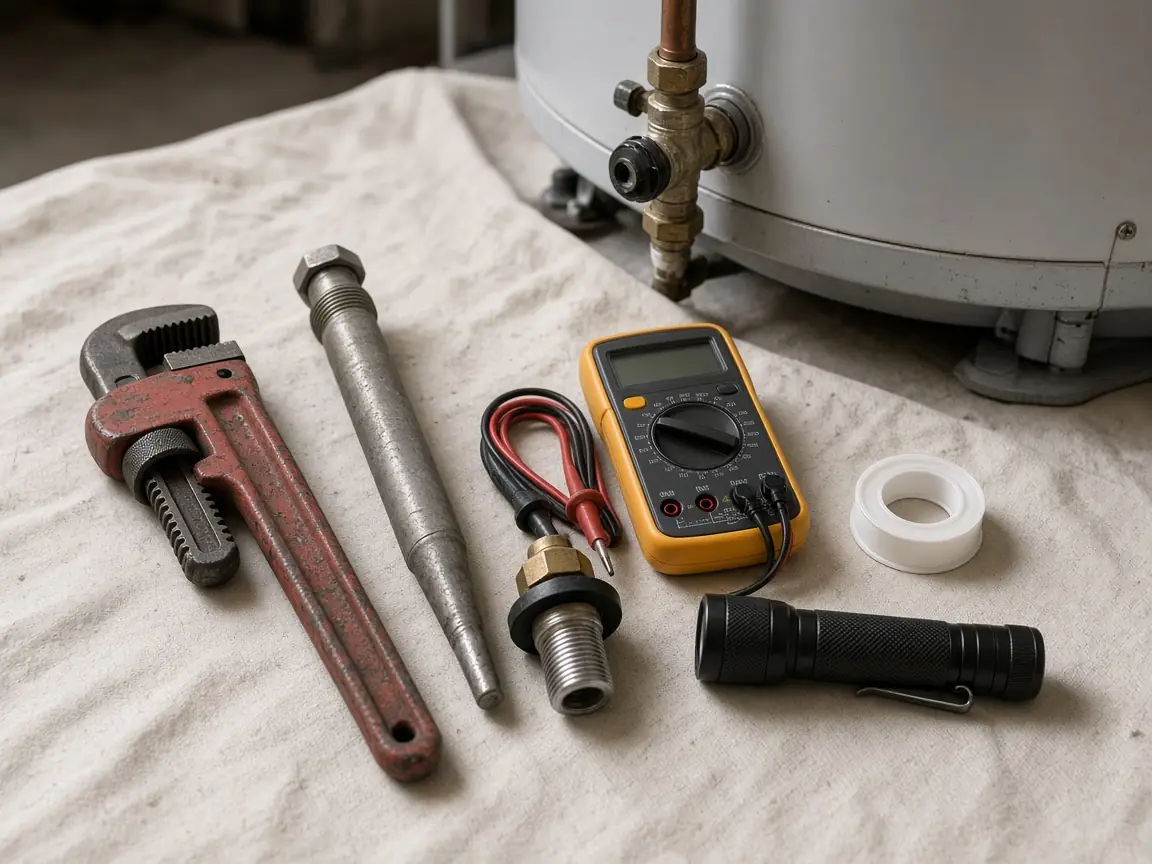
- Water heater repair: no heat, short hot water, lukewarm water, noise, and fitting leaks on gas and electric tanks.
- Gas water heater repair: pilots, thermocouples, igniters, gas valves, and venting.
- Water heater flush: removing sediment from a tank that still holds water.
- Water heater replacement: gas, electric, or heat pump replacement with the code items Oregon requires.
Urgent problems
- Emergency water heater repair: shutting off water and energy, gas odor safety, and running relief valves.
Tankless water heaters
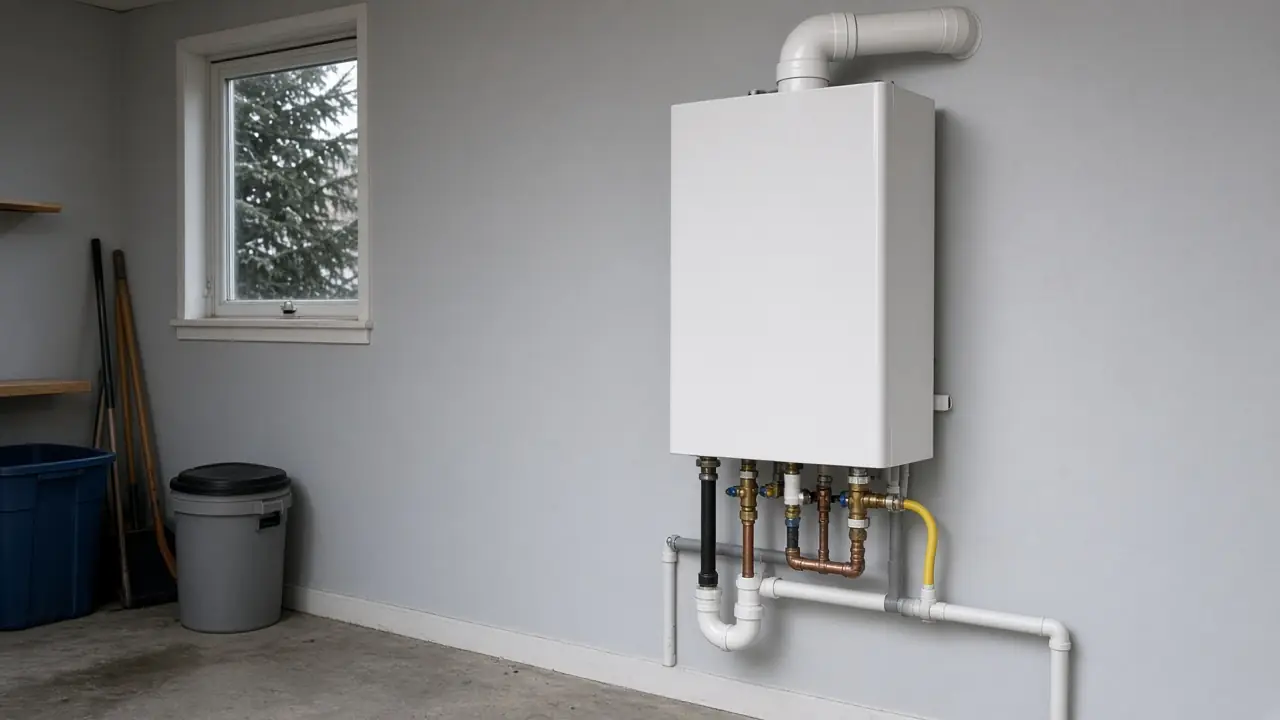
- Tankless water heater installation: sizing for winter inlet water, gas line capacity, venting, and condensate.
- Tankless water heater repair: error codes, ignition and flow problems, scale, and freeze damage.
- Tankless water heater replacement: replacing an aging unit and matching vent and gas needs.
Choosing where to start
If you are not sure which page fits, start with the symptom. No heat or not enough hot water usually begins on the repair page. Water on the floor begins on the emergency page. A tank past twelve years that needs any significant part is a replacement question. The guides cover single topics such as permits and anode rods, and the service area overview lists the cities covered.
How Portland homes shape the service you need
Portland's older neighborhoods, such as the bungalow streets near Mt. Tabor Park and the west hills homes near Washington Park, often keep gas tanks in basements beside furnaces, sometimes venting through old masonry chimneys. Those settings make gas repairs and venting checks the most common service questions. Condos and apartments downtown and along the river usually rely on electric tanks in closets, so element and thermostat repairs dominate there. Newer homes on the edges of the city and in the suburbs more often use garage tankless units and heat pump tanks, which bring error codes, condensate lines, and freeze protection into the picture.
Repair or replace by age
- Under about eight years: repair almost any single failed part if the tank is dry.
- Eight to twelve years: repair inexpensive parts such as elements, thermocouples, and relief valves; think twice about costly gas valves.
- Over twelve years: plan replacement, especially with rust at the base or any leak from the tank body.
- Tankless units: many last fifteen years or more with descaling; a cracked heat exchanger usually ends their life.
Fuel and type at a glance
Gas tanks recover quickly and can run in outages with a standing pilot, but they need venting and combustion air. Electric tanks are simple and vent-free, with slower recovery. Heat pump tanks use much less electricity but need room, air, and a condensate drain. Tankless units deliver continuous hot water but need gas line capacity, specific venting, electricity, and periodic descaling.
What a careful visit includes
Whatever the service, a careful technician confirms the fuel and energy supply, reads the rating plate, checks for leaks, tests the relief valve and looks at the expansion tank, inspects venting on gas units, and explains whether the repair is worth it given the unit's age. Ask for written findings and a clear price before work starts.
Permits and licensing
Water heater replacement generally requires a plumbing permit in Portland and across Oregon. The City of Portland residential plumbing permits page explains local requirements, and the Oregon BCD license search lets you confirm that an installer holds the right license. Repairs that do not replace the heater may not need a permit, but gas and venting changes can.
Incentives
Heat pump water heaters and some efficient gas models may qualify for incentives listed by Energy Trust of Oregon. Utility pages from PGE and NW Natural also describe offers. Check current terms before buying, since programs change.
Comparing quotes
When comparing quotes, ask each provider to list the parts, labor, permit, haul-away, and any code upgrades separately. A quote that omits the expansion tank, seismic strap, or venting check may look cheaper but leave items an inspector will flag. Ask what warranty covers the parts and the labor, and confirm the license number before work starts.
Maintenance that prevents service calls
Test the relief valve yearly, flush tanks on a schedule that matches your water, check the anode every few years, keep gas vent terminations clear, and descale tankless units as the manufacturer recommends. These small steps prevent many of the repairs described on these pages.
Services by season
Fall is a good time to flush tanks, test relief valves, and check gas vents before the rainy season. Winter brings the most no-heat calls, from cold inlet water, storms, and outages. Spring and summer are easier times to plan a replacement or a tankless or heat pump upgrade, because a planned swap avoids the rush that follows a winter failure.