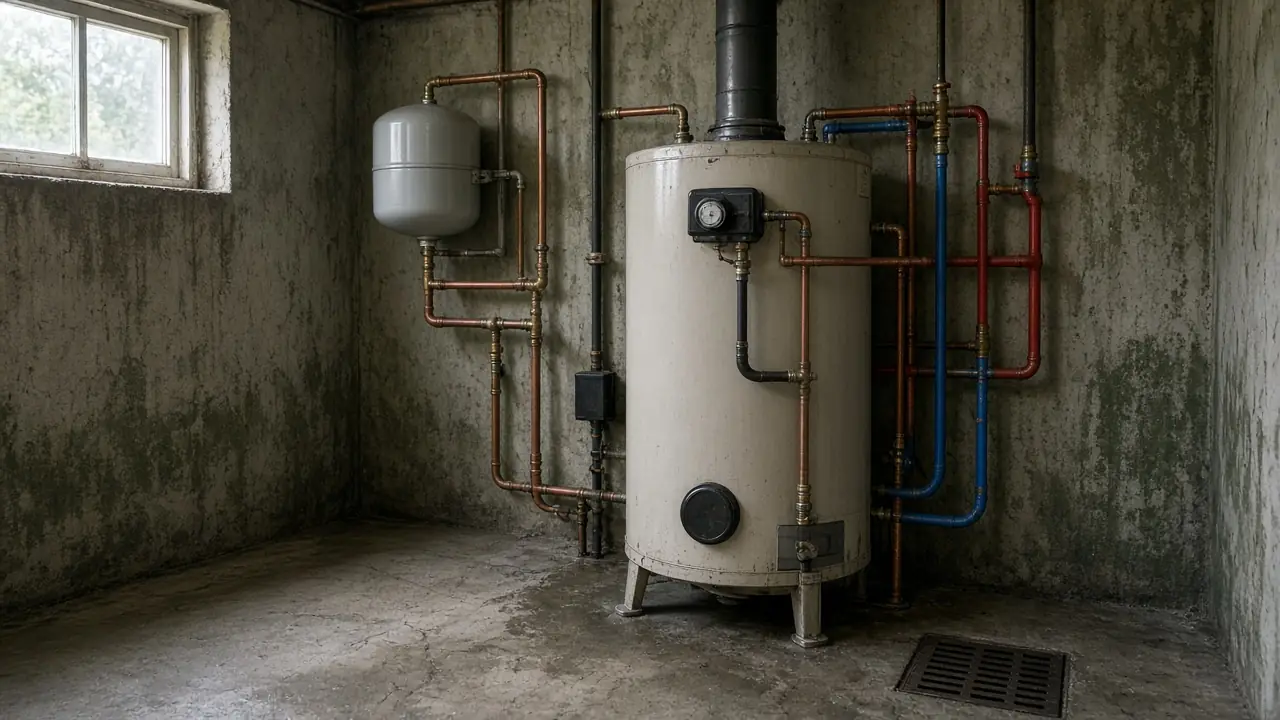
A water heater in Beaverton, OR should be replaced when the tank is leaking from the shell, when it is past roughly ten to twelve years and needs an expensive part, or when it can no longer keep up with the household. Replacement in Oregon normally needs a plumbing permit, and it is the moment to decide whether a like-for-like tank, a heat pump water heater, or a tankless unit fits the home best.
Beaverton is a good place to think beyond a straight swap. Many houses have garages with enough room and airflow for a heat pump tank, and Energy Trust of Oregon has offered incentives for qualifying heat pump installs to eligible customers. Other homes, especially compact townhomes on the city's newer edges, have a closet so tight that a standard tank is the only thing that fits without moving walls. Knowing which camp you are in saves a lot of back-and-forth.
Signs a Beaverton tank has reached the end
The clearest sign is water coming from the tank body or bottom seam. Once the steel has corroded through, no part will stop it. Other strong signs include rusty hot water, a rumbling tank that does not improve after a flush, a relief valve that discharges repeatedly, and visible rust around the base or the burner access. A rating plate older than about twelve years, combined with any of these, makes replacement the practical choice.
A failing tank is not always dramatic. A slow seep can sit behind a drain pan for weeks. If your tank sits on a pan in a closet or garage, lift a corner of whatever is stored nearby and look for a tide line. Catching it early keeps the decision calm.
Choosing between tank, heat pump, and tankless
A standard gas or electric tank is the simplest swap and usually the lowest upfront cost. A new gas tank may need a different vent connector or a new flex line, and code items such as seismic strapping and a thermal expansion tank are commonly brought up to date during the swap.
A heat pump water heater uses electricity to move heat from the surrounding air into the water. It needs floor space, room air volume, a condensate drain, and a suitable electrical circuit. In a Beaverton garage, those are often easy to provide. It also cools and dehumidifies the room a little, which many owners of damp garages appreciate. The Energy Trust residential water heater incentives page lists current offers, and PGE explains the technology on its water heater page.
A tankless gas unit saves floor space and provides continuous hot water, but it needs a gas line sized for a much higher burner input than a tank, a dedicated vent, and usually a condensate drain. That is a bigger project; see tankless water heater installation in Beaverton before choosing it as a replacement.
Code items that come up during a swap
Oregon's plumbing code expects a new water heater to be strapped for seismic movement, to have a properly piped temperature-and-pressure relief valve discharge, and to have a way to absorb thermal expansion where the water system is closed. Gas units need correct venting and combustion air. Electric units need the right breaker and wire size. The Oregon Building Codes Division permit summary lists water heater replacement among the work that usually needs a permit. For a Beaverton address, start with the building contacts on the City of Beaverton site.
The expansion tank question confuses a lot of people. Our expansion tank and code guide explains why it shows up on so many replacement quotes.
Sizing for a Beaverton household
Most replacement mistakes come from copying the old tank's size without asking whether it ever worked well. Count the bathrooms that are used at the same time in the morning, think about whether a soaking tub is in play, and remember that winter supply water on the west side is colder than summer water. A 40-gallon tank that was fine for two people may struggle after a household grows. A heat pump tank should usually be sized a little larger than the gas tank it replaces because its recovery is slower in pure heat-pump mode.
What to have ready before you compare quotes
Have the current rating plate photo, a photo of the space with a tape measure in frame, the fuel type, the breaker size if electric, and a list of any problems the old unit had. It also helps to know whether your house is on a pressure regulator, since that affects the expansion tank conversation.
Beaverton weekends often mean the trails at Tualatin Hills Nature Park or a walk at Hyland Woods Natural Area; planning a replacement before the old tank fails keeps those weekends free. If the current tank still works but has symptoms, check water heater repair in Beaverton first. If you already have a tankless unit that needs swapping, see tankless water heater replacement in Beaverton. Metro-wide context is on water heater replacement in Portland, the Beaverton overview gathers the city's pages, and the next city south has its own notes at water heater replacement in Tigard.
Living with a water heater in Beaverton
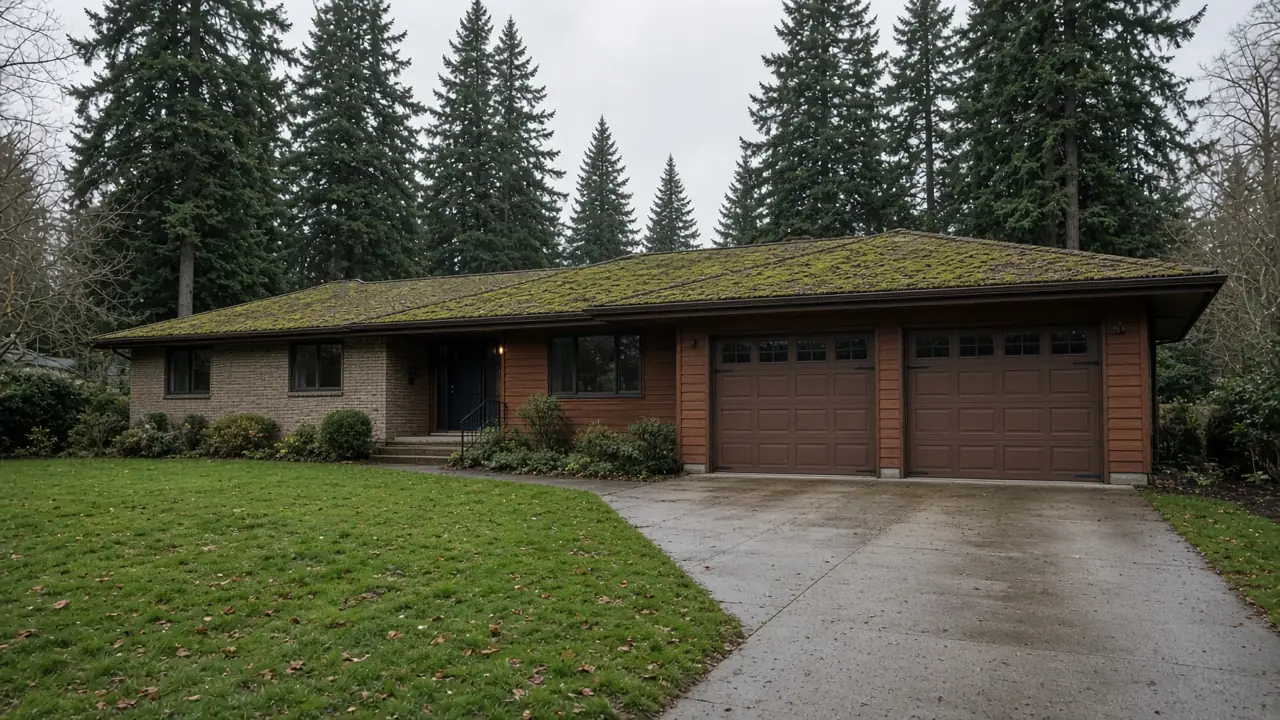
Beaverton spreads across the Tualatin Valley west of the West Hills, with Highway 217 and US-26 framing much of the city. Housing runs from 1950s and 1960s ranches and 1970s split-levels in established neighborhoods to dense townhomes and apartments near the light-rail stations and new single-family growth on the southwest edge toward Cooper Mountain. That spread means water heaters live in very different places: garage corners in older ranches, under-stair utility rooms in split-levels, and second-floor laundry closets in newer attached homes. Long, wet winters keep garages and crawlspaces damp, which is hard on steel jackets, gas connectors, and burner parts. Supply water on the west side is generally soft, so scale is usually a slow problem here, while corrosion and age drive most failures. Beaverton's park district, THPRD, runs a large network of trails and natural areas, and many of those green corridors follow creeks such as Beaverton Creek and Fanno Creek, where the ground and the air stay wet for months.
What a Beaverton replacement should include
- Old tank drained, disconnected, and hauled away
- New heater sized from first-hour rating and household demand
- Seismic strapping installed to current Oregon requirements
- Relief valve discharge piped to an approved termination
- Thermal expansion tank added or checked where the system is closed
- Gas connector, vent connector, or electrical circuit matched to the new unit
- Drain pan, leak alarm, or automatic shutoff considered for finished spaces
- Permit pulled and final inspection scheduled
Replacement prep list for Beaverton
Before comparing replacement quotes in Beaverton, collect a photo of the old rating plate, a tape-measured photo of the space including door widths along the path in, the fuel type, the breaker size for electric units, and the vent type for gas units. Note any problems the old heater had, such as running out of hot water, so the new one can be sized for real demand. Ask each quote to list the permit, haul-away, expansion tank, straps, pan, and any fuel-change work as separate lines.
Beaverton at a glance
- Location: Beaverton, Oregon, about 15–20 minutes west of central Portland on US-26.
- Local landmarks used on this page: Tualatin Hills Nature Park, Greenway Park.
- City information and building contacts: City of Beaverton.
- State permit rules: Oregon Building Codes Division.
- Utilities: PGE or another electric utility and NW Natural gas serve most addresses; incentives are listed by Energy Trust of Oregon.
- Nearby city page: Hillsboro.
- Map: the map on this page shows Beaverton, Oregon at city level, not a business address.