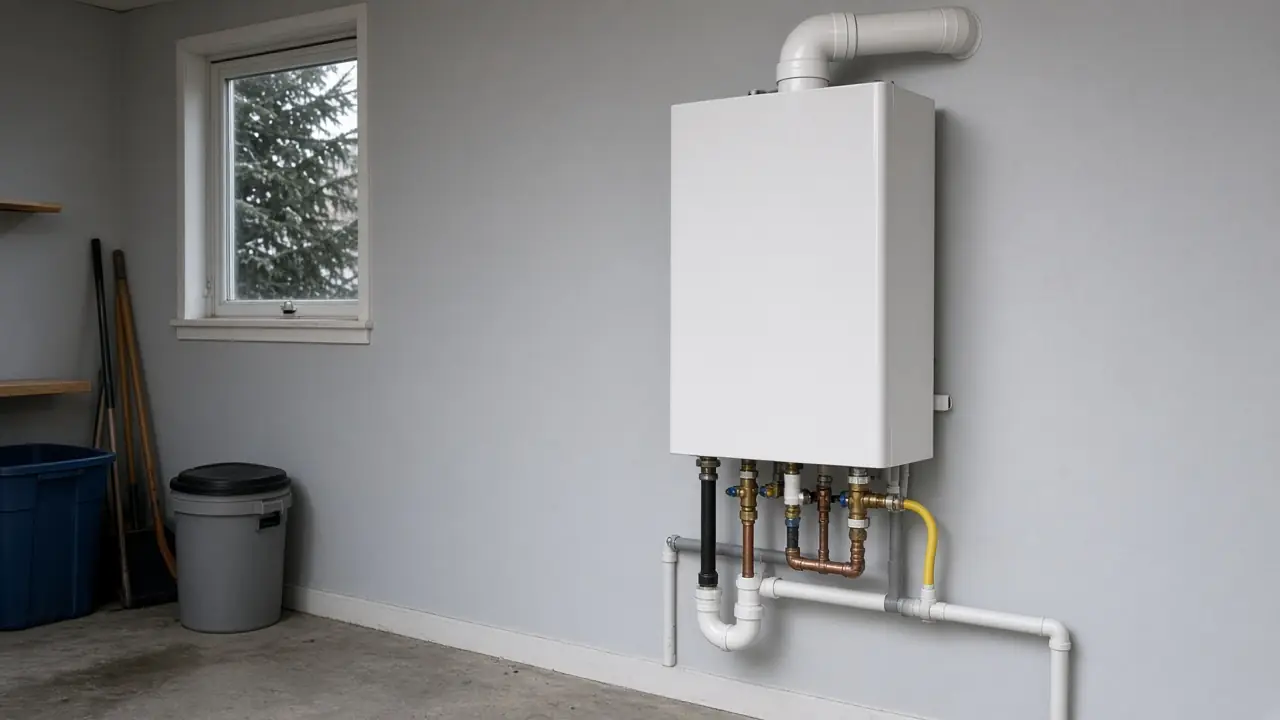
When replacing a tankless unit in Beaverton, OR, recheck the gas line size against the new unit's input, confirm the existing vent material and length are approved for the new model, verify the condensate drain and neutralizer, and make sure isolation valves are in place for future descaling. Brands and models differ in venting rules and connection layouts, so a like-for-like swap is rarely just unbolting one box and hanging another. A permit is generally required.
Tankless units installed in Beaverton during the building boom of the 2000s and 2010s are reaching an age where heat exchangers, control boards, and fans begin to fail. Owners usually face one of two questions: replace the unit with another tankless, or go back to a tank or heat pump water heater. This page focuses on the first.
Confirm the unit really needs replacing
A failed heat exchanger, a cracked exchanger from freezing, repeated control board failures, or a unit whose parts are no longer supported are the classic reasons. Before deciding, ask for the diagnosis in writing. Many tankless problems, such as scale, a dirty flame rod, or a clogged filter, are maintenance issues, not replacement issues. Tankless water heater repair in Beaverton covers those first.
Venting is the part most often overlooked
Different manufacturers approve different vent materials, diameters, and maximum lengths. A new condensing unit might vent in PVC or polypropylene where the old non-condensing unit used stainless steel. Reusing a vent that is not approved for the new model can void the warranty and fail inspection. Check the termination clearances again too; additions, new windows, or a neighbor's fence may have changed the picture since the original install.
Gas line and the new input rating
Newer models sometimes have a higher maximum input than the unit they replace. If the original gas line was sized close to the old unit's limit, it may not support the new one, especially if a gas range, fireplace, or furnace has been added since. A fresh gas load calculation is a small step that prevents ignition failures on cold mornings.
Condensate, neutralizer, and drain route
If the old unit was non-condensing and the new one condenses, a drain route and neutralizer have to be added. If the old unit already condensed, the neutralizer media may be spent and should be replaced. Garages in Beaverton often lack floor drains, so confirm the route.
Valves, filters, and water connections
The swap is the right time to add or replace isolation service valves, the pressure relief valve, and the inlet filter. Connection spacing differs between brands, so new flex connectors or short repipes are common. Plan for it.
Sizing again, not just copying
Household needs change. Kids grow, bathrooms get remodeled with larger showers, a soaking tub appears. Recheck the flow and temperature-rise requirement with a winter inlet temperature in mind. West-side supply water is coldest in January and February, which is when undersized units complain most.
Considering a tank or heat pump instead
Some owners decide the next unit should be a tank or a heat pump water heater, especially if the gas line or vent would need major work for a new tankless model. A heat pump tank can qualify for incentives listed by Energy Trust of Oregon, and PGE's water heater page explains how they work. See water heater replacement in Beaverton for that comparison.
Permits and records
Replacing a tankless unit is generally permitted plumbing work in Oregon, and gas or vent changes can add mechanical permit items. The Oregon Building Codes Division summarizes the rules. For Beaverton addresses, local building contacts start at the City of Beaverton. Before hiring, you can confirm a contractor's registration with the Oregon CCB search. Keep the permit, the model and serial numbers, and the install date together for warranty claims.
What the old unit tells you about the new one
Before the old unit leaves the wall, look at it closely. Heavy scale inside the heat exchanger says the new unit needs a firmer descaling schedule, or possibly a scale-reduction cartridge on the inlet. Corrosion around the cabinet bottom points to condensate or vent leaks that should be fixed before the new unit hangs in the same spot. Scorching near the burner says the combustion setup was off. Each of those clues changes how the replacement should be installed, and none of them shows up on a quote unless someone looks.
A short swap checklist
- Gas load recalculated for the new input rating.
- Vent material, diameter, and length matched to the new manual.
- Condensate drain and neutralizer confirmed or added.
- Isolation valves, relief valve, and inlet filter in place.
- Freeze protection powered and, for exterior units, a plan for outages.
- Permit pulled and final inspection scheduled.
Beaverton timing
The best time to replace an aging tankless unit is before it fails, ideally in late spring or summer when cold inlet water is not straining the system. That is also when the paths at Greenway Park and Tualatin Hills Nature Park pull everyone outdoors, so scheduling earlier in spring often goes more smoothly.
For a first-time install rather than a swap, see tankless water heater installation in Beaverton. Metro-wide context is on tankless water heater replacement in Portland, the Beaverton overview gathers all the city's pages, and tankless replacement in Hillsboro covers the next city west.
Living with a water heater in Beaverton
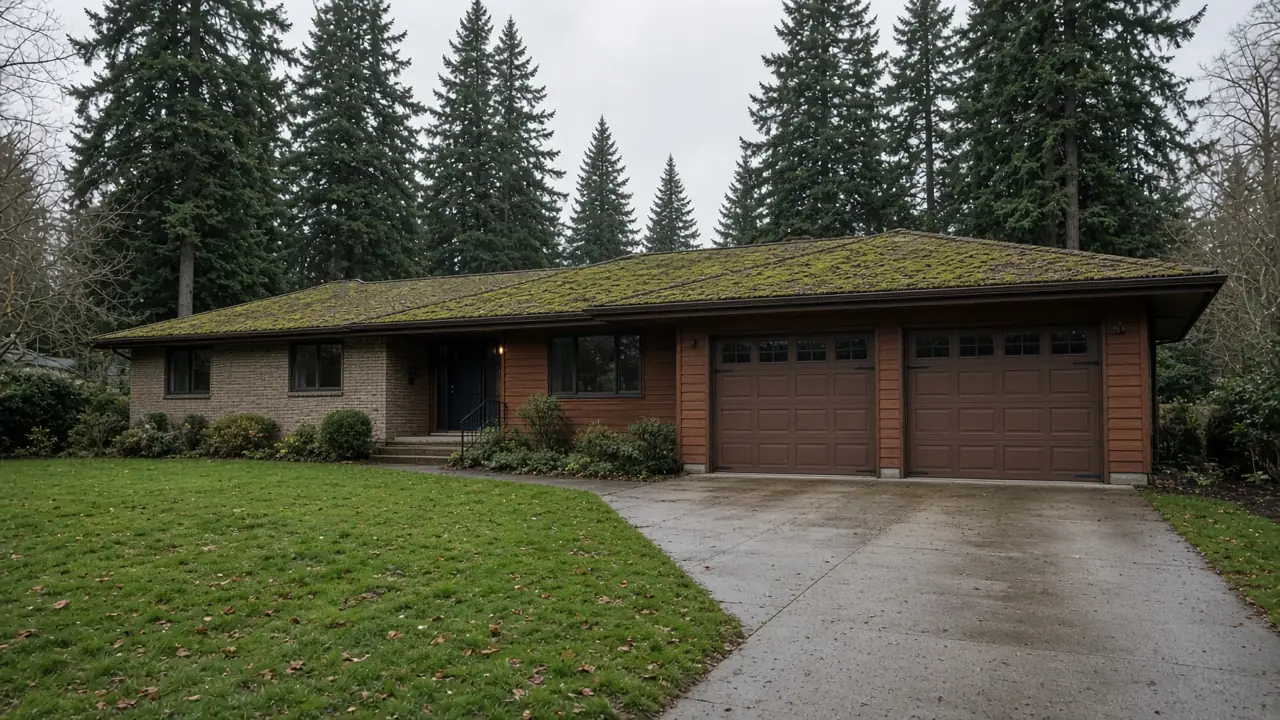
Beaverton spreads across the Tualatin Valley west of the West Hills, with Highway 217 and US-26 framing much of the city. Housing runs from 1950s and 1960s ranches and 1970s split-levels in established neighborhoods to dense townhomes and apartments near the light-rail stations and new single-family growth on the southwest edge toward Cooper Mountain. That spread means water heaters live in very different places: garage corners in older ranches, under-stair utility rooms in split-levels, and second-floor laundry closets in newer attached homes. Long, wet winters keep garages and crawlspaces damp, which is hard on steel jackets, gas connectors, and burner parts. Supply water on the west side is generally soft, so scale is usually a slow problem here, while corrosion and age drive most failures. Beaverton's park district, THPRD, runs a large network of trails and natural areas, and many of those green corridors follow creeks such as Beaverton Creek and Fanno Creek, where the ground and the air stay wet for months.
What a tankless swap in Beaverton should include
- Cause of the old unit's failure documented
- New unit's maximum input compared with the gas line capacity
- Vent material, diameter, and length matched to the new manual
- Condensate drain, neutralizer, and route confirmed or added
- Isolation valves, relief valve, and inlet filter replaced or added
- Connection spacing adapted with proper fittings
- Freeze protection and outage plan reviewed
- Permit pulled and inspection completed
Tankless swap prep list for Beaverton
Before replacing a tankless unit in Beaverton, gather the old unit's model and serial, the install date, the vent material and route, and any repair history. Photograph the gas connection, water connections, condensate line, and outside terminations. Note any changes since the original install, such as added bathrooms or gas appliances. Ask quotes to confirm vent compatibility, gas load, condensate handling, valves, and permit in writing.
Beaverton at a glance
- Location: Beaverton, Oregon, about 15–20 minutes west of central Portland on US-26.
- Local landmarks used on this page: Tualatin Hills Nature Park, Greenway Park.
- City information and building contacts: City of Beaverton.
- State permit rules: Oregon Building Codes Division.
- Utilities: PGE or another electric utility and NW Natural gas serve most addresses; incentives are listed by Energy Trust of Oregon.
- Nearby city page: Hillsboro.
- Map: the map on this page shows Beaverton, Oregon at city level, not a business address.