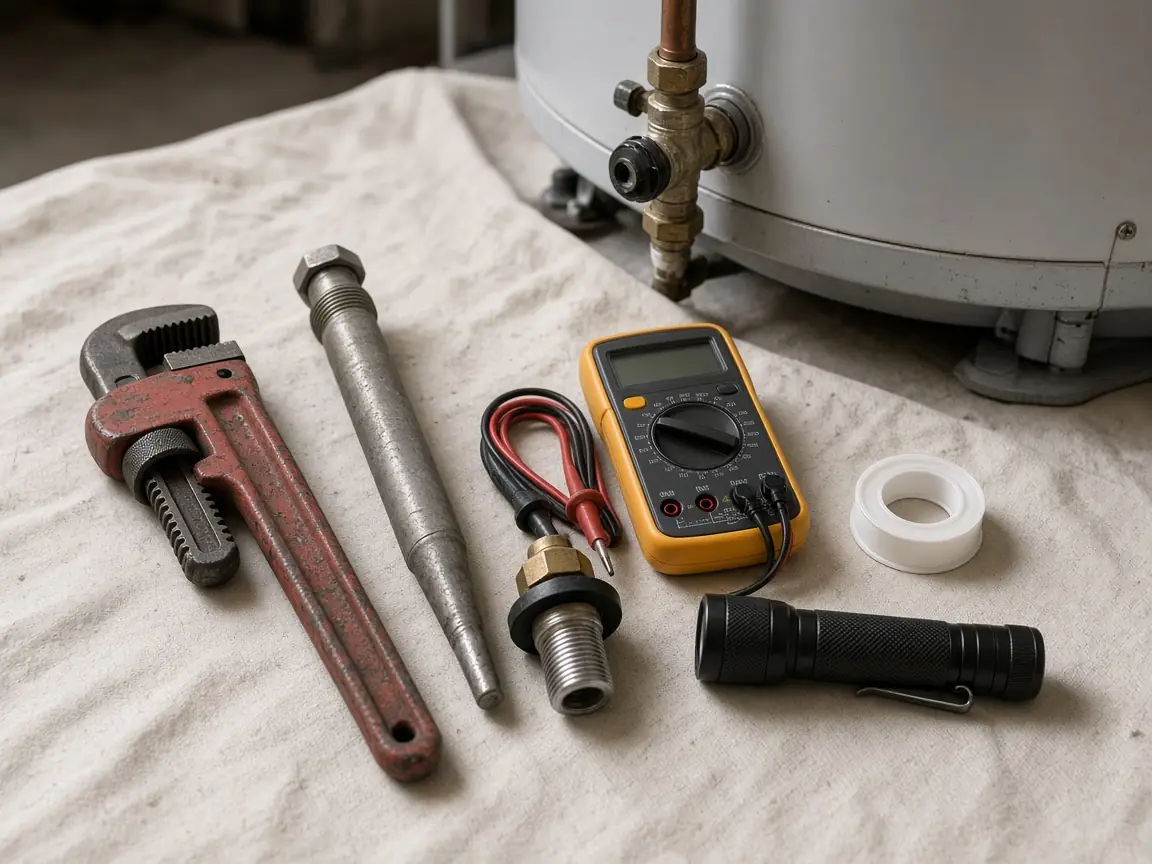
Water heater repair in Beaverton, OR makes sense when the tank itself is dry and the fault is a replaceable part: a heating element, a thermostat, a thermocouple, a relief valve, or a leaking fitting at the top. If water is coming from the steel shell or the bottom seam, repair is off the table and the conversation becomes water heater replacement in Beaverton. Start by deciding which of those two situations you are in.
Beaverton homes carry a wide spread of equipment. A split-level built in the 1970s near the Hwy 217 corridor might still have a 40-gallon gas tank tucked under the stairs, while a newer townhome toward South Cooper Mountain is more likely to have an electric or heat pump tank in a garage or a second-floor closet. The repair logic is the same, but the access, the fuel, and the risk of a leak reaching finished drywall are not. Write down where your heater sits, what fuel it uses, and the manufacture date printed on the rating plate. Those three facts answer most of the first questions.
Read the symptom before you read a price
Four symptoms cover most Beaverton repair requests. No hot water at all on an electric tank usually means a tripped breaker, a tripped high-limit reset button behind the upper panel, or a failed upper element. On a gas tank it usually means the pilot is out, the thermocouple or flame sensor has failed, or the igniter on a newer sealed-combustion model is not lighting. Lukewarm water that runs out fast points to a failed lower element, a broken dip tube that dumps cold water at the top of the tank, or a thermostat that drifted low. Popping or rumbling is nearly always sediment, which is a water heater flush in Beaverton question rather than a parts question. Water on the floor has to be traced to its source before anything else happens.
That last symptom deserves patience. Condensation on a cold tank after a big draw, a weeping relief-valve discharge pipe, a dripping drain valve, and a sweating cold-water line can all leave water on the floor without the tank failing. Dry everything with a towel, wait an hour, and look again. The first place that gets wet again is usually the source.
Parts that are worth replacing on a Beaverton tank
Elements, thermostats, thermocouples, pilot assemblies, igniters, gas control valves, drain valves, and temperature-and-pressure relief valves are all serviceable. Their cost is modest compared with a new heater, and on a tank under roughly eight to ten years old with no rust at the base, replacing them is usually the sensible call. An anode rod is the part most people forget. It is the sacrificial metal rod that corrodes so the tank lining does not, and swapping it before it is consumed can add years to a healthy tank. Our anode rod guide explains how to tell when one is spent.
A gas control valve is the expensive exception. On an older tank, a failed gas valve can cost enough that putting the money toward a new heater is the better use of it. The same is true when a tank needs two or three parts at once. The rating plate age, the condition of the bottom of the tank, and the cost of the part should all sit on the table together.
When a repair is not the safe call
Some findings end the repair conversation. Rust-colored water from the hot side only, rust flakes at the base, a bulging tank top, a relief valve that keeps opening, and scorched paint around the burner access door on a gas unit all point to a heater that should be replaced or at least shut down and assessed. A gas smell is never a repair-in-place question. Leave the house, then call NW Natural from outside; their safety and rebate pages are a good place to start once everyone is safe.
Electric work deserves the same respect. Element and thermostat replacement means working inside a box that carries 240 volts. The breaker has to be off, and a non-contact tester should confirm it before a panel cover comes off. If that sentence makes you uneasy, it is a job for a licensed professional.
Beaverton specifics that change the job
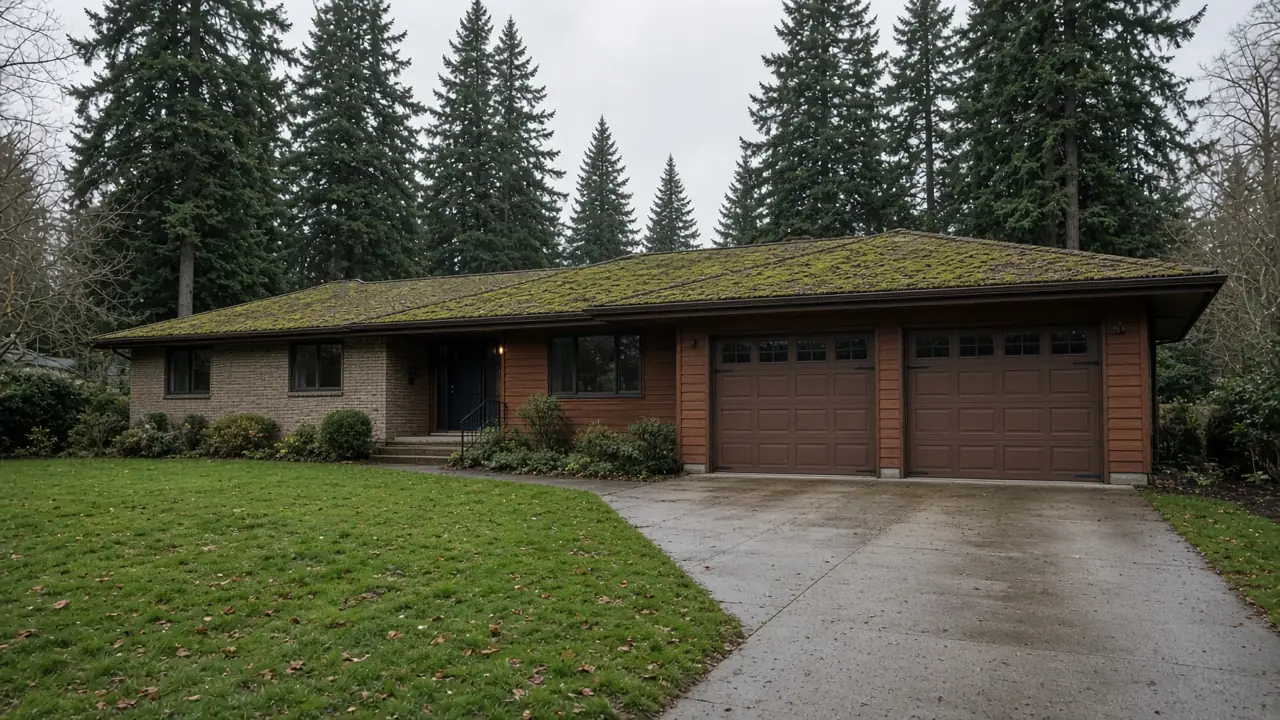
Beaverton sits on the west side of the metro where winter rain keeps garages and crawlspaces damp for months. Damp air speeds up corrosion on gas connectors, burner assemblies, and the steel jacket of older tanks. If your tank lives in an unconditioned garage near the green belts around Tualatin Hills Nature Park or along the creek corridor at Greenway Park, look closely at the bottom ring and the gas line for surface rust before you decide a small part is the whole story.
Permits matter here too. Oregon generally requires a plumbing permit for a water heater replacement, and some repairs that change gas piping or venting also fall under permit rules. The state summary from the Oregon Building Codes Division lists what typically needs one. For a Beaverton address, the local building contact starts at the City of Beaverton website. A straight element or thermocouple swap generally does not need a permit, but anything that touches gas piping, venting, or the water connections deserves a quick check.
A short checklist before anyone opens the panel
- Find the rating plate and note the manufacture date, fuel, and capacity.
- Check the breaker or gas supply valve and the pilot window.
- Dry the floor and confirm where water is actually coming from.
- Test the relief valve only if you know it will reseat; a stuck-open valve becomes an emergency.
- Photograph the top connections and the burner area so a pro can see the setup before a visit.
If the heater is gas and the pilot will not hold, read gas water heater repair in Beaverton next. If a tankless unit is showing a code, the logic is different and lives on tankless water heater repair in Beaverton. For the broader view across the metro, see water heater repair in Portland, and if you are in the next city west, water heater repair in Hillsboro covers the same symptoms with Hillsboro notes. The Beaverton overview collects everything for the city in one place.
Living with a water heater in Beaverton
Beaverton spreads across the Tualatin Valley west of the West Hills, with Highway 217 and US-26 framing much of the city. Housing runs from 1950s and 1960s ranches and 1970s split-levels in established neighborhoods to dense townhomes and apartments near the light-rail stations and new single-family growth on the southwest edge toward Cooper Mountain. That spread means water heaters live in very different places: garage corners in older ranches, under-stair utility rooms in split-levels, and second-floor laundry closets in newer attached homes. Long, wet winters keep garages and crawlspaces damp, which is hard on steel jackets, gas connectors, and burner parts. Supply water on the west side is generally soft, so scale is usually a slow problem here, while corrosion and age drive most failures. Beaverton's park district, THPRD, runs a large network of trails and natural areas, and many of those green corridors follow creeks such as Beaverton Creek and Fanno Creek, where the ground and the air stay wet for months.
What a repair visit in Beaverton should check
- Rating plate read for age, fuel, capacity, and element wattage or burner input
- Breaker, disconnect, or gas supply confirmed before any panel comes off
- Elements and thermostats tested for continuity and resistance with power verified off
- Pilot, thermocouple, flame sensor, or igniter inspected on gas tanks
- Relief valve, discharge pipe, and expansion tank checked for pressure problems
- Top fittings, flex connectors, and drain valve inspected for weeps
- Tank base and jacket checked for rust that would make a repair a poor investment
Repair prep list for Beaverton
Before a repair visit in Beaverton, gather the rating plate photo (brand, model, serial, and manufacture date), note the fuel type, and write down exactly what changed: no hot water, short hot water, noise, or water on the floor. Note whether the breaker or gas supply has been checked and whether a reset was tried. A photo of the top connections and the burner or element panels helps a technician bring the right parts. Keep the area around the heater clear by about three feet so panels can come off safely.
Beaverton at a glance
- Location: Beaverton, Oregon, about 15–20 minutes west of central Portland on US-26.
- Local landmarks used on this page: Tualatin Hills Nature Park, Greenway Park.
- City information and building contacts: City of Beaverton.
- State permit rules: Oregon Building Codes Division.
- Utilities: PGE or another electric utility and NW Natural gas serve most addresses; incentives are listed by Energy Trust of Oregon.
- Nearby city page: Hillsboro.
- Map: the map on this page shows Beaverton, Oregon at city level, not a business address.