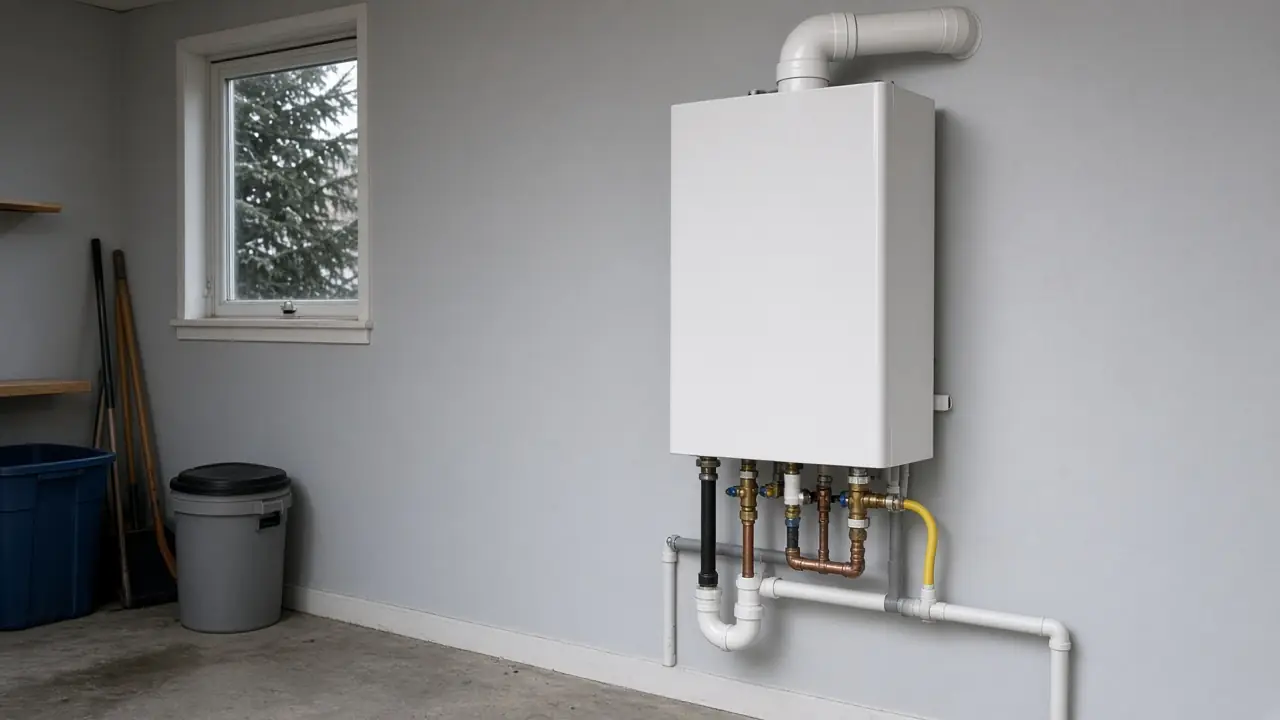
A first tankless installation in Beaverton, OR has to include a gas supply sized for the unit's full burner input, a dedicated vent approved for that model, a condensate drain on condensing units, service isolation valves for future descaling, and a permit. Electric whole-home tankless units instead need a large electrical service, often more than an older Beaverton panel can spare. Plan those pieces first, then choose the model.
Tankless water heaters heat water only when a tap opens, so they skip the standby losses of a tank and free up floor space. In Beaverton, where many garages and utility rooms are crowded with laundry, storage, and a furnace, getting a 50-gallon tank off the floor is a real attraction. The trade-off is that the installation is more involved than a tank swap, and the costs land mostly on the gas line and vent rather than the unit itself.
Gas line sizing is the first gate
A typical gas tank uses roughly 30,000 to 50,000 BTU per hour. A whole-home gas tankless unit can call for 150,000 BTU per hour or more. Many existing gas lines in older Beaverton homes were sized for a tank, a furnace, and maybe a range. Adding a tankless unit to that same line can starve the furnace or the heater when both run on a cold morning. A proper install calculates the total load and the length of pipe from the meter, then upsizes the line where needed. NW Natural may also need to confirm the meter can carry the added load.
Venting and where the unit can hang
Condensing tankless units vent through plastic pipe and can often exit a side wall close to the unit. Non-condensing units need stainless steel venting. Either way, the termination has clearance rules from windows, doors, soffits, and property lines. On Beaverton's tighter lots, especially newer homes with narrow side yards, the termination location sometimes decides where the unit hangs. An outdoor-rated model mounted on an exterior wall is another option in this mild climate, though freeze protection still matters during the occasional cold snap.
Condensate and drainage
Condensing units produce acidic condensate that has to go to a drain, usually through a neutralizer. That means a drain within reach or a small pump. Many garages have no floor drain, so plan the route before installation day.
Water quality and service valves
West-side water is generally soft, which is kind to tankless heat exchangers, but scale still builds over years. Isolation valves with service ports let a technician descale the unit with a pump and solution without cutting pipe. Insist on them. Our tankless descaling guide explains the maintenance schedule.
Electrical needs
Gas tankless units need a standard outlet or a dedicated circuit for controls and fans. Electric whole-home tankless units are different: they can draw well over 100 amps. Many Beaverton homes from the 1960s through the 1980s have 100- or 150-amp services already loaded with an electric range, dryer, and baseboard heat. An electrician should confirm capacity before an electric tankless unit is considered. For many households, a heat pump water heater is the more practical electric upgrade.
Permits and incentives
Installing a tankless unit generally involves plumbing permits and, with new gas piping, often mechanical permits as well. The Oregon Building Codes Division outlines the rules, and Beaverton addresses begin with the City of Beaverton site. NW Natural customers should read the NW Natural water heater offer, and Energy Trust of Oregon lists current residential water heater incentives. Amounts and eligibility change, so confirm before you budget around them.
Sizing for a Beaverton household
Tankless units are sized by flow and temperature rise rather than gallons. In winter, west-side supply water is colder, so the unit has to raise the temperature further, which reduces how many fixtures it can run at once. Count the showers and appliances that realistically run together on a weekday morning, then size to that with a winter inlet temperature in mind. Undersizing is the most common complaint after a first install.
Where the unit usually goes in a Beaverton house
The most common spots are a garage wall near the old tank, a basement or utility-room wall close to an exterior wall for a short vent, or an outside wall with an outdoor-rated model. Each has trade-offs. A garage wall is simple but can mean a longer gas run. A utility room keeps the unit warm but needs a clear vent path. An outdoor unit saves interior space but depends on electric freeze protection during cold snaps. Walk the house with those three options in mind before anyone quotes.
Is tankless right for your home?
Tankless makes the most sense when the gas line can be upsized at a reasonable cost, the vent route is short, and the household values endless hot water or floor space. It makes less sense when the panel is full, the gas line is long and undersized, or the household is small and a heat pump tank could take incentives. Think about it like the paths through Tualatin Hills Nature Park: several routes lead to the same place, and the best one depends on where you start. The same goes for homes around Greenway Park, where lot layouts vary block to block.
If you already have a tankless unit and it is failing, read tankless water heater replacement in Beaverton. If you are still deciding whether to leave your tank, compare with water heater replacement in Beaverton. Metro-wide notes live on tankless water heater installation in Portland, the Beaverton overview lists every city page, and neighbors to the west can read tankless installation in Hillsboro.
Living with a water heater in Beaverton
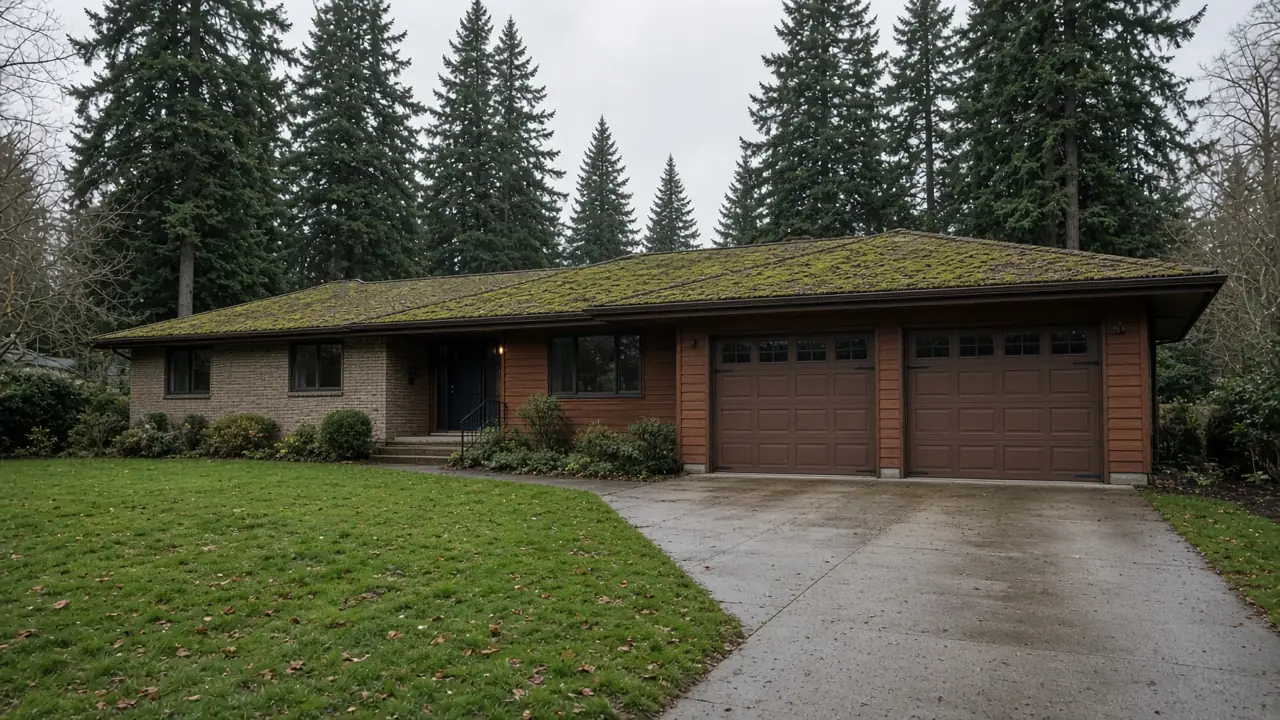
Beaverton spreads across the Tualatin Valley west of the West Hills, with Highway 217 and US-26 framing much of the city. Housing runs from 1950s and 1960s ranches and 1970s split-levels in established neighborhoods to dense townhomes and apartments near the light-rail stations and new single-family growth on the southwest edge toward Cooper Mountain. That spread means water heaters live in very different places: garage corners in older ranches, under-stair utility rooms in split-levels, and second-floor laundry closets in newer attached homes. Long, wet winters keep garages and crawlspaces damp, which is hard on steel jackets, gas connectors, and burner parts. Supply water on the west side is generally soft, so scale is usually a slow problem here, while corrosion and age drive most failures. Beaverton's park district, THPRD, runs a large network of trails and natural areas, and many of those green corridors follow creeks such as Beaverton Creek and Fanno Creek, where the ground and the air stay wet for months.
What a first tankless install in Beaverton should cover
- Gas load calculation for every appliance and the pipe length from the meter
- Unit sized by flow rate at the coldest realistic inlet temperature
- Vent material and termination chosen per the manufacturer and code clearances
- Condensate drain and neutralizer planned for condensing models
- Isolation service valves and an accessible inlet filter installed
- Electrical outlet or circuit provided for controls, fans, and freeze protection
- Permits pulled for plumbing and, where needed, mechanical work
Tankless install prep list for Beaverton
Before requesting a first tankless quote in Beaverton, list every gas appliance in the house, note the distance from the gas meter to the proposed unit location, and photograph the wall where it would hang and the outside wall where the vent would exit. Count the showers and appliances that run together on a busy morning. Check the electrical panel label for open spaces. Those details let an installer size the gas line, vent, and unit properly the first time.
Beaverton at a glance
- Location: Beaverton, Oregon, about 15–20 minutes west of central Portland on US-26.
- Local landmarks used on this page: Tualatin Hills Nature Park, Greenway Park.
- City information and building contacts: City of Beaverton.
- State permit rules: Oregon Building Codes Division.
- Utilities: PGE or another electric utility and NW Natural gas serve most addresses; incentives are listed by Energy Trust of Oregon.
- Nearby city page: Hillsboro.
- Map: the map on this page shows Beaverton, Oregon at city level, not a business address.