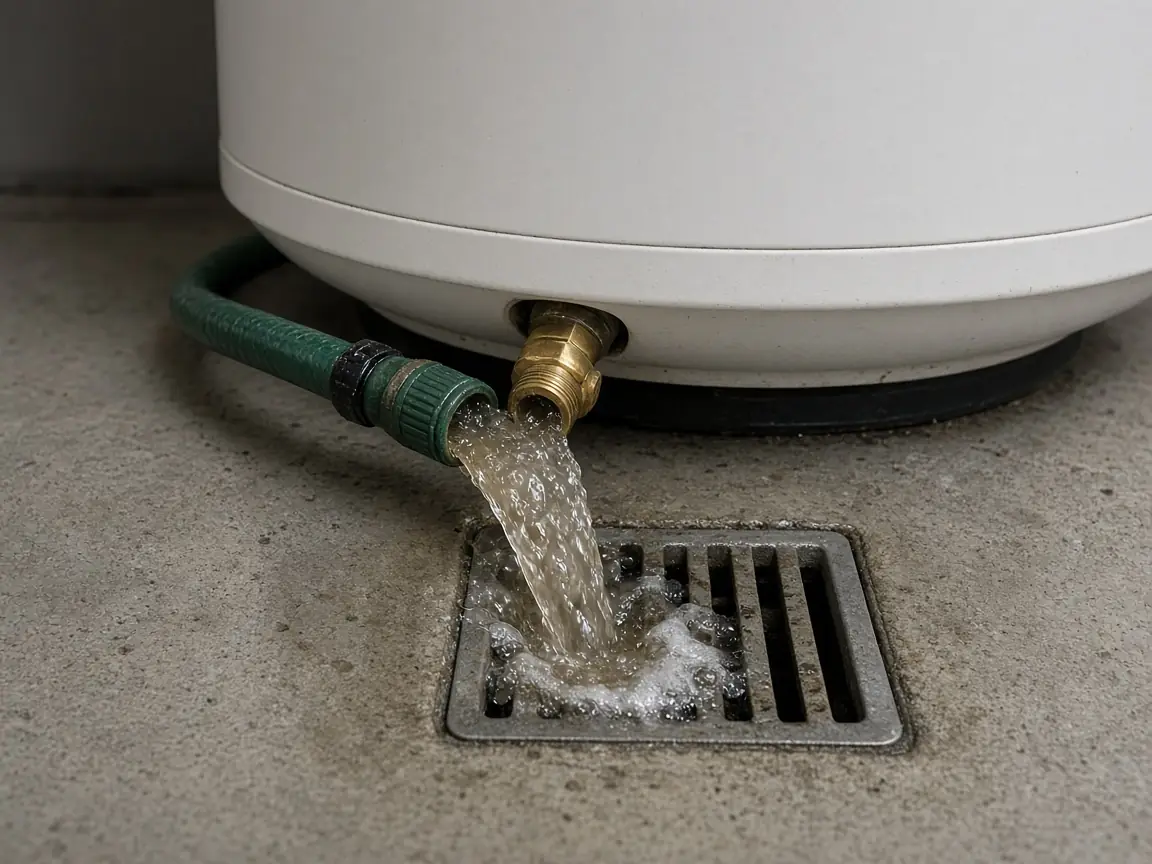
A water heater flush in Beaverton, OR is worth doing when a tank that still holds water starts rumbling or popping during heating, or when it has gone several years without any maintenance. Flushing drains loose sediment from the bottom of the tank so the burner or lower element heats water instead of a mineral layer. It will not fix a tank that leaks from the steel, and on very old tanks it can expose a weak spot, so look before you open the drain valve.
Water on the west side of the metro is generally on the soft side compared with many U.S. cities, so Beaverton tanks usually build sediment more slowly than tanks in hard-water regions. Slow is not zero. Sand, rust from older pipes, bits of a deteriorating dip tube, and the calcium that does settle out all collect on the tank floor over the years. A flush every year or two is reasonable for most households; some quiet tanks go longer without trouble.
The sound tells you more than the calendar
Sediment noise happens while the tank is heating. Steam bubbles form under the mineral layer and pop as they escape, which sounds like popcorn, rumbling, or a kettle. If you hear it only when the burner or lower element is running, sediment is the likely cause. A single bang when a faucet closes elsewhere in the house is water hammer in the pipes, which a flush will not fix. A hissing or sizzling sound on a gas tank can be water dripping onto the burner, which is a leak question, not a sediment question.
Our rumbling tank guide walks through these sounds in more detail.
When not to flush
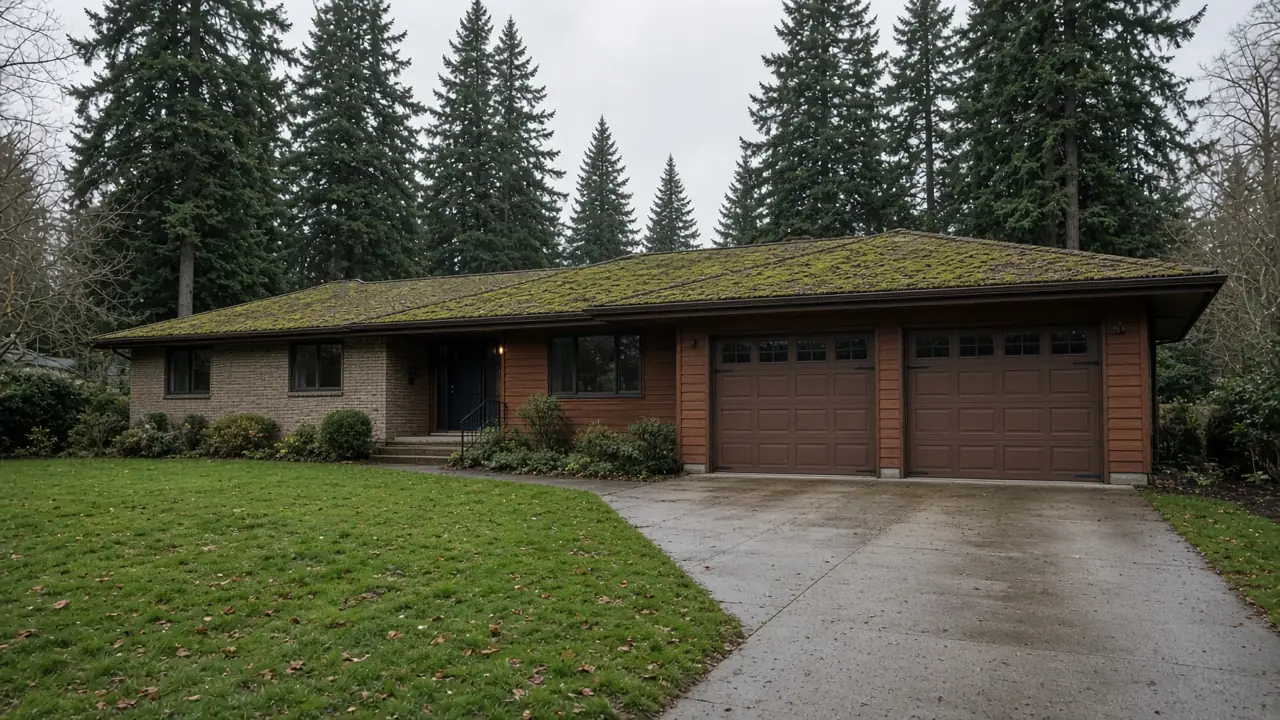
Do not flush a tank that is wet on the outside from the steel, has rust streaks at the bottom, or is well past twelve years old with no history of maintenance. Draining a corroded tank can stir debris into the drain valve, leaving it unable to close, and the temperature change on refill can open a weak seam. On those tanks, the money usually belongs to water heater replacement in Beaverton.
Also skip a flush if the drain valve is cracked plastic that looks brittle. A valve that snaps mid-drain turns a maintenance job into a flood.
How the flush is done
- Turn the energy off: breaker off for electric, gas control to "pilot" or "off" for gas.
- Close the cold-water supply valve above the tank.
- Attach a hose to the drain valve and run it to a floor drain, a laundry sink, or outdoors to ground that slopes away from the foundation.
- Open a hot-water faucet somewhere in the house to let air in.
- Open the drain valve and let the tank drain. Briefly opening the cold supply while the drain is open stirs sediment and pushes it out.
- When the water runs clear, close the drain, open the cold supply, and let the tank refill completely with the hot faucet open until water flows steadily.
- Restore energy only after the tank is full.
Water at the drain is scalding at the start. Keep children and pets away from the hose end.
Routing the hose in Beaverton homes
The practical problem in many Beaverton houses is distance. A tank in a garage often has an easy path out the big door to the driveway. A tank under the stairs in a split-level or in a second-floor laundry closet does not. Long hose runs kink at door jambs, and a hose that pops off a floor drain during a surge of sediment can spread silty water across a finished floor. Secure the hose end and keep it in sight.
Avoid draining onto landscaping that slopes toward the house, and do not drain into a storm grate on the street; send it to a sanitary drain if one is reachable. Beaverton's damp months mean water drained near a foundation tends to stay there.
Look at the anode rod while you are there
A flush is a good moment to check the anode rod. If it is worn down to the core wire, replacing it can extend the tank's life considerably. The anode rod guide shows what spent and healthy rods look like. On homes with a water softener, rods tend to wear faster.
Beaverton notes
A rumbling tank is one of those background noises that is easy to ignore until it gets loud. Weekend chores compete with walks at Greenway Park or the trails at Tualatin Hills Nature Park, so pick a dry day: you will likely be carrying a hose through the garage door. Your water bill names your supplier; the City of Beaverton site links to its water information for addresses on the city system.
A tankless unit is not flushed this way; it is descaled with a pump through service valves, covered on tankless water heater repair in Beaverton. If the tank still struggles after a flush, check water heater repair in Beaverton for element and dip-tube causes. The metro version of this topic is water heater flush in Portland, the Beaverton overview gathers the rest, and water heater flush in Hillsboro covers the next city west.
Living with a water heater in Beaverton
Beaverton spreads across the Tualatin Valley west of the West Hills, with Highway 217 and US-26 framing much of the city. Housing runs from 1950s and 1960s ranches and 1970s split-levels in established neighborhoods to dense townhomes and apartments near the light-rail stations and new single-family growth on the southwest edge toward Cooper Mountain. That spread means water heaters live in very different places: garage corners in older ranches, under-stair utility rooms in split-levels, and second-floor laundry closets in newer attached homes. Long, wet winters keep garages and crawlspaces damp, which is hard on steel jackets, gas connectors, and burner parts. Supply water on the west side is generally soft, so scale is usually a slow problem here, while corrosion and age drive most failures. Beaverton's park district, THPRD, runs a large network of trails and natural areas, and many of those green corridors follow creeks such as Beaverton Creek and Fanno Creek, where the ground and the air stay wet for months.
What a proper flush in Beaverton involves
- Tank age and condition reviewed before draining
- Energy turned off and cold supply closed
- Drain valve type checked; brittle plastic valves noted before opening
- Hose route secured to a safe drain or outdoor discharge
- Tank drained and stirred with brief cold-supply bursts until clear
- Anode rod inspected while the tank is depressurized
- Tank refilled completely with air bled before energy is restored
- Relief valve tested and checked for proper reseating
Flush prep list for Beaverton
Before a flush in Beaverton, find the drain valve and check what it is made of, identify where the hose will discharge, and gather a hose long enough to reach without kinks, gloves, and a bucket for the first sample. Note the tank age from the rating plate. If the anode rod will be inspected too, have the correct socket size and a replacement rod on hand. Plan the job for a dry, mild day so the hose route outdoors is safe.
Beaverton at a glance
- Location: Beaverton, Oregon, about 15–20 minutes west of central Portland on US-26.
- Local landmarks used on this page: Tualatin Hills Nature Park, Greenway Park.
- City information and building contacts: City of Beaverton.
- State permit rules: Oregon Building Codes Division.
- Utilities: PGE or another electric utility and NW Natural gas serve most addresses; incentives are listed by Energy Trust of Oregon.
- Nearby city page: Hillsboro.
- Map: the map on this page shows Beaverton, Oregon at city level, not a business address.