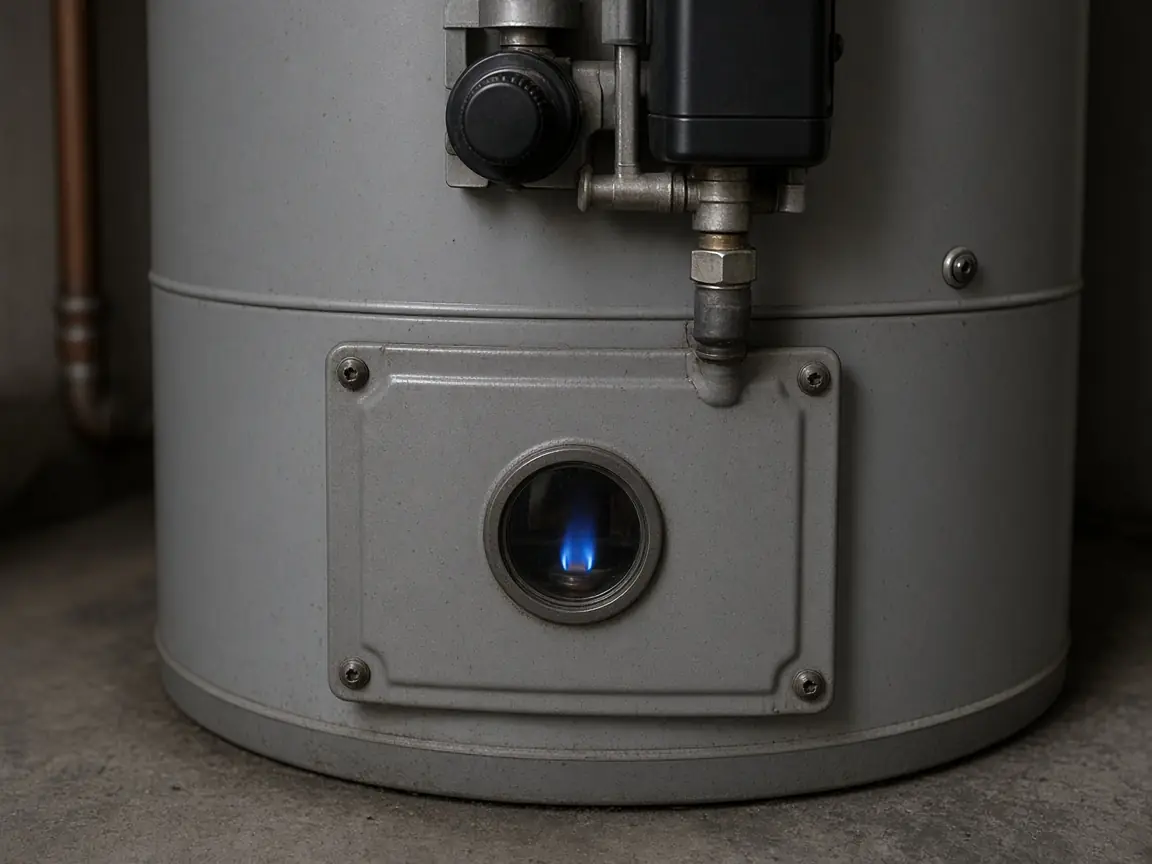
Checking a gas water heater in Beaverton, OR starts at the burner: confirm the gas supply is on, look through the sight glass for a pilot or flame, and note any soot, scorch marks, or a smell of exhaust near the draft hood. A pilot that will not stay lit usually points to the thermocouple or flame sensor, a dirty pilot, or a draft problem; soot or scorching points to venting or combustion air, which outranks every other repair.
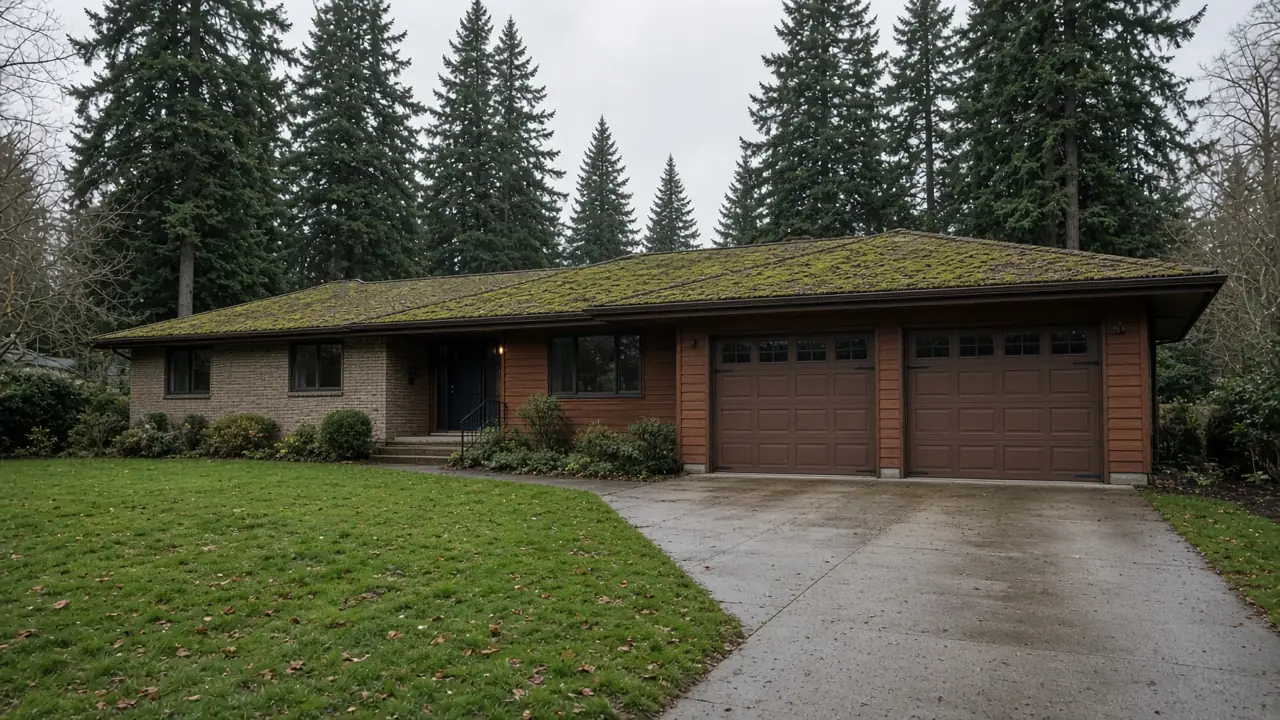
Gas tanks are common in Beaverton, from older ranches with a tank in the garage to split-levels with a unit tucked into a utility room off the family room. NW Natural serves much of the area, and many homes have run the same style of atmospheric-vent tank for decades. Newer sealed or power-vent models add fans, pressure switches, and electronic controls. Know which you have before you start; the label near the gas control usually says.
Pilot and thermocouple faults
On a standing-pilot tank, the thermocouple sits in the pilot flame and tells the gas valve it is safe to stay open. When it weakens, the pilot lights while you hold the button and goes out as soon as you let go. A dirty pilot orifice gives a weak yellow flame that never heats the thermocouple properly. Both are common, inexpensive repairs. Follow the lighting instructions printed on the tank exactly, and stop if you have to try more than a few times.
Many newer tanks use a thermopile and a flame sensor instead, and some use a hot-surface or spark igniter. Those systems blink a status light on the gas control in a pattern that the manual decodes. Count the flashes and write them down before anyone resets anything.
Venting and draft problems
An atmospheric gas tank depends on hot exhaust rising up the flue and out the vent. If the vent connector is disconnected, sloped the wrong way, rusted through, or shares a chimney that has been altered, exhaust can spill at the draft hood. Signs include soot around the top of the tank, a melted plastic cap on the relief valve, scorch marks at the burner door, and condensation dripping from the vent. Those findings mean the heater should be shut off until the vent is corrected.
Power-vent tanks move exhaust with a fan through plastic pipe, often out a side wall. A blocked termination, a cracked pipe, or a failed pressure switch stops the burner. In Beaverton's leaf-heavy autumns, check that the outside termination is clear of leaves and nesting debris.
Combustion air in tight spaces
A gas burner needs air. When a tank is enclosed in a small closet with a solid door, or when a basement has been sealed and insulated, the burner can starve. The flame turns lazy and yellow, and the risk of carbon monoxide rises. Louvered doors or dedicated air openings sized to code fix it. Our basement gas venting guide explains what to look for in tightened-up older homes, and it applies directly to Beaverton remodels.
Every home with a gas appliance should have working carbon monoxide alarms. If an alarm sounds, get everyone outside and call 911.
Gas control valve and burner issues
A gas control valve that will not hold the pilot even with a new thermocouple, or that will not turn the main burner on, has usually failed. On a tank under roughly eight years old, replacing the valve can make sense. On an older tank, the cost of the valve plus labor often tips the decision toward water heater replacement in Beaverton.
The burner itself can clog with rust flakes falling from the flue baffle, especially in damp garages. A clogged burner produces uneven flame and soot. Cleaning is possible, but heavy rust in the combustion chamber often signals a tank near the end of its life.
What to write down before a technician visits
Note the brand and model from the rating plate, the vent type (metal flue into a chimney, metal flue through the roof, or plastic pipe out a wall), any blinking code on the gas control, and whether the problem started after a storm, a power outage, or a remodel. Power outages matter for power-vent and electronic-ignition tanks, which need electricity to fire. A short written timeline saves diagnostic time and keeps the visit focused on the real fault.
Beaverton settings that affect gas repairs
West-side garages stay cool and damp through much of the year. That humidity rusts burner parts and vent connectors faster, and cold inlet water makes the burner run longer on every recovery. A tank in a garage near the wooded edges of Hyland Woods Natural Area or the open space around Tualatin Hills Nature Park may also collect leaf litter and spiders in the burner area; both cause flame problems.
Gas piping work generally falls under Oregon permit rules. The Oregon Building Codes Division explains what usually needs a permit, and Beaverton addresses start with the City of Beaverton website. NW Natural's water heater offer page is worth reading if the repair turns into an upgrade conversation.
If the gas tank is also rumbling, sediment may be part of the story; see water heater flush in Beaverton. If you are thinking about leaving the tank behind entirely, tankless water heater installation in Beaverton covers the gas line and venting questions. The metro-wide version of this page is gas water heater repair in Portland, the next city south has gas water heater repair in Tigard, and the Beaverton overview lists the rest.
Living with a water heater in Beaverton
Beaverton spreads across the Tualatin Valley west of the West Hills, with Highway 217 and US-26 framing much of the city. Housing runs from 1950s and 1960s ranches and 1970s split-levels in established neighborhoods to dense townhomes and apartments near the light-rail stations and new single-family growth on the southwest edge toward Cooper Mountain. That spread means water heaters live in very different places: garage corners in older ranches, under-stair utility rooms in split-levels, and second-floor laundry closets in newer attached homes. Long, wet winters keep garages and crawlspaces damp, which is hard on steel jackets, gas connectors, and burner parts. Supply water on the west side is generally soft, so scale is usually a slow problem here, while corrosion and age drive most failures. Beaverton's park district, THPRD, runs a large network of trails and natural areas, and many of those green corridors follow creeks such as Beaverton Creek and Fanno Creek, where the ground and the air stay wet for months.
What a gas diagnosis in Beaverton should cover
- Gas supply valve position and gas pressure confirmed
- Pilot, thermocouple, thermopile, flame sensor, or igniter tested
- Status light code read and matched to the manufacturer chart
- Vent connector slope, joints, and condition checked; draft tested at the hood
- Combustion air openings measured against the space and appliance input
- Burner and combustion chamber inspected for rust scale and soot
- Flammable-vapor sensor and thermal cutoff checked, never bypassed
- Carbon monoxide alarm presence confirmed
Gas repair prep list for Beaverton
Before a gas repair visit in Beaverton, note the heater brand and model, whether it has a standing pilot or electronic ignition, the vent type, and any blinking status pattern on the gas control. Record whether the problem lines up with wind, rain, an outage, or a recent remodel. Confirm every level of the home has a working carbon monoxide alarm. Keep the area around the burner clear of stored items and anything that gives off vapors, such as paint, solvents, or gasoline cans.
Beaverton at a glance
- Location: Beaverton, Oregon, about 15–20 minutes west of central Portland on US-26.
- Local landmarks used on this page: Tualatin Hills Nature Park, Greenway Park.
- City information and building contacts: City of Beaverton.
- State permit rules: Oregon Building Codes Division.
- Utilities: PGE or another electric utility and NW Natural gas serve most addresses; incentives are listed by Energy Trust of Oregon.
- Nearby city page: Hillsboro.
- Map: the map on this page shows Beaverton, Oregon at city level, not a business address.