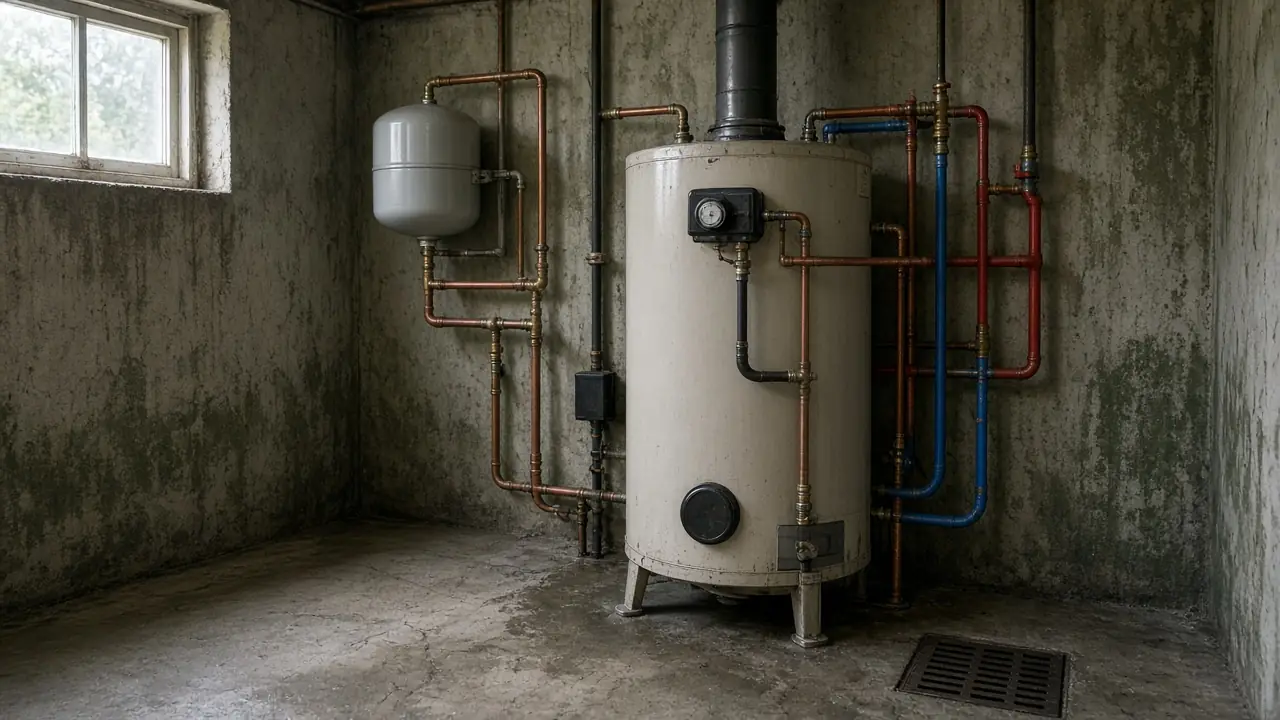
A water heater in Happy Valley, OR should be replaced when the tank leaks from its shell, rusts at the base or in the hot water, or needs an expensive part after its warranty has ended. Many Happy Valley homes are now on their first replacement, and owners often choose to upgrade from the builder-grade tank to a heat pump water heater or a higher-capacity unit. Expect code checks on strapping, expansion control, and venting, and plan access on steep driveways. Oregon generally requires a permit.
Signs
Water from the shell, rust in hot water or at the base, and expired warranties on tanks needing major parts all point to replacement.
Upgrade options
Heat pump water heater: Many Happy Valley garages provide plenty of air volume. Needs a condensate drain and 240-volt circuit. See Energy Trust's incentives and the Energy Trust heat pump explainer.
Larger gas tank: Large homes with several baths may benefit from more capacity or a high-input tank. Match the vent type, often power-vent or direct-vent.
Tankless: See tankless water heater installation in Happy Valley.
Access on steep lots
Steep driveways, long stairs, and tight garages full of storage make moving tanks harder. Clear the path and plan for two people.
HOA rules
Changing a vent termination location or appearance may need HOA approval in some communities.
Code items
Seismic straps, relief-valve discharge, expansion tank, and correct connections. See the Oregon Building Codes Division; local contacts start at the City of Happy Valley. Verify contractors with the Oregon CCB search.
Sizing
Use the first-hour rating; large homes with soaking tubs need more. Heat pump tanks are often sized up a step.
Happy Valley notes
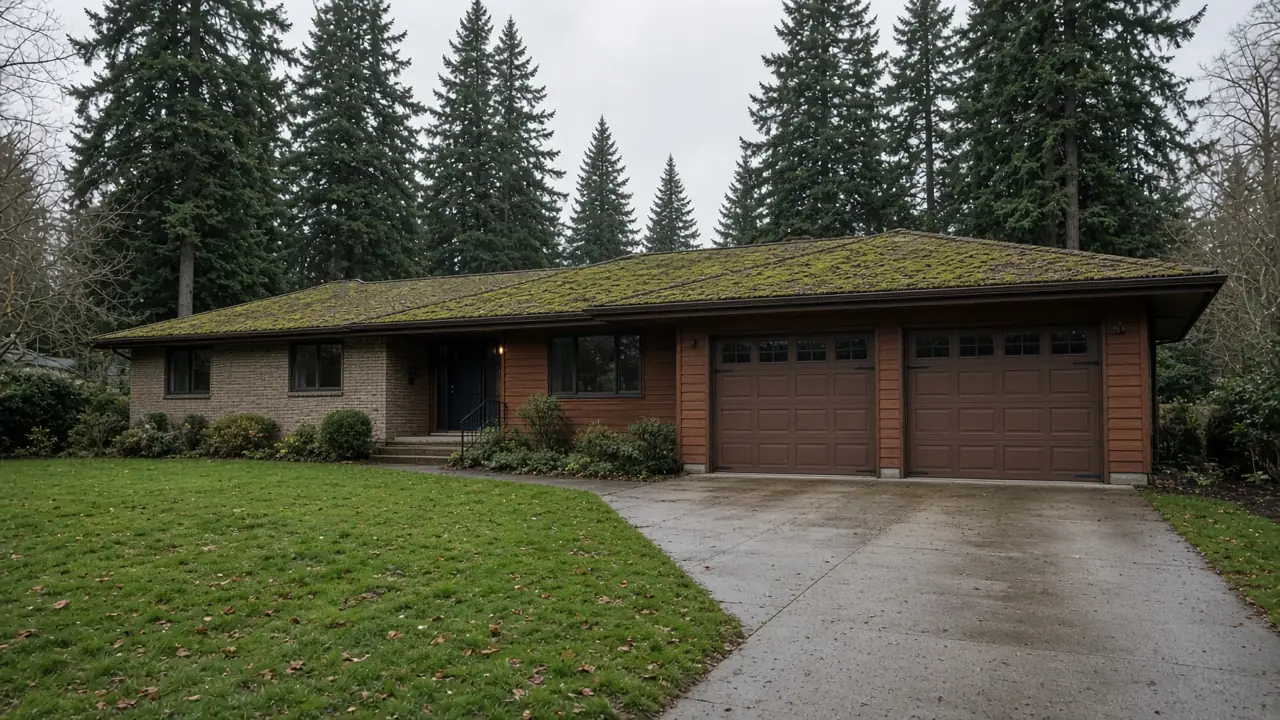
Earlier subdivisions near Happy Valley Park are seeing their original tanks age out now, while homes on the newer slopes toward Scouters Mountain Nature Park may still be under warranty.
First-replacement surprises
Owners replacing a home's original heater for the first time are often surprised by what the inspector expects. A builder may have installed a tank that met code at the time, but a replacement is judged against current rules, so expect questions about seismic straps, the relief-valve discharge route, the expansion tank, and the drain pan. Gas tanks may need a different vent connector. Electric heat pump tanks may need a new 240-volt circuit if the old tank was on a smaller one. None of these are unusual, but they belong in the quote.
Matching the heater to how the house is used now
Happy Valley homes often change after the first few years: a finished basement, an added bathroom, a hot tub, or more people at home. Size the replacement for today's household. If the old tank ran out on busy mornings, step up in first-hour rating or consider a heat pump tank sized larger than the gas tank it replaces.
Living with a water heater in Happy Valley
Happy Valley sits on the buttes and slopes southeast of Portland, near Mount Scott and Scouters Mountain, and it has been one of the fastest-growing cities in Oregon. Much of its housing is new, built from the 1990s onward, with many large two-story homes, steep driveways, and hillside lots. Newer construction means more tankless units, heat pump water heaters, and power-vent or direct-vent gas tanks than in older cities, along with modern code items such as expansion tanks and seismic strapping already in place. Elevation and exposure make some neighborhoods a little colder and windier than the valley floor in winter, and snow and ice can linger on the higher streets. Water service in the area is provided by regional water providers rather than a single city utility, so your bill is the best guide to the source. New-build equipment reaching its first replacement, warranties, and hillside access are the local factors that come up most for Happy Valley water heaters.
What a Happy Valley replacement should include
- Old tank drained, disconnected, and hauled away
- New heater sized from first-hour rating and household demand
- Seismic strapping installed to current Oregon requirements
- Relief valve discharge piped to an approved termination
- Thermal expansion tank added or checked where the system is closed
- Gas connector, vent connector, or electrical circuit matched to the new unit
- Drain pan, leak alarm, or automatic shutoff considered for finished spaces
- Permit pulled and final inspection scheduled
Replacement prep list for Happy Valley
Before comparing replacement quotes in Happy Valley, collect a photo of the old rating plate, a tape-measured photo of the space including door widths along the path in, the fuel type, the breaker size for electric units, and the vent type for gas units. Note any problems the old heater had, such as running out of hot water, so the new one can be sized for real demand. Ask each quote to list the permit, haul-away, expansion tank, straps, pan, and any fuel-change work as separate lines.
Happy Valley at a glance
- Location: Happy Valley, Oregon, about 20–25 minutes southeast of central Portland.
- Local landmarks used on this page: Happy Valley Park, Scouters Mountain Nature Park.
- City information and building contacts: City of Happy Valley.
- State permit rules: Oregon Building Codes Division.
- Utilities: PGE or another electric utility and NW Natural gas serve most addresses; incentives are listed by Energy Trust of Oregon.
- Nearby city page: Gresham.
- Map: the map on this page shows Happy Valley, Oregon at city level, not a business address.
Related pages
If the tank still works, start with water heater repair in Happy Valley. For tankless swaps, read tankless water heater replacement in Happy Valley. The Happy Valley overview lists every page, water heater replacement in Portland covers the metro, and Gresham replacement notes are nearby.