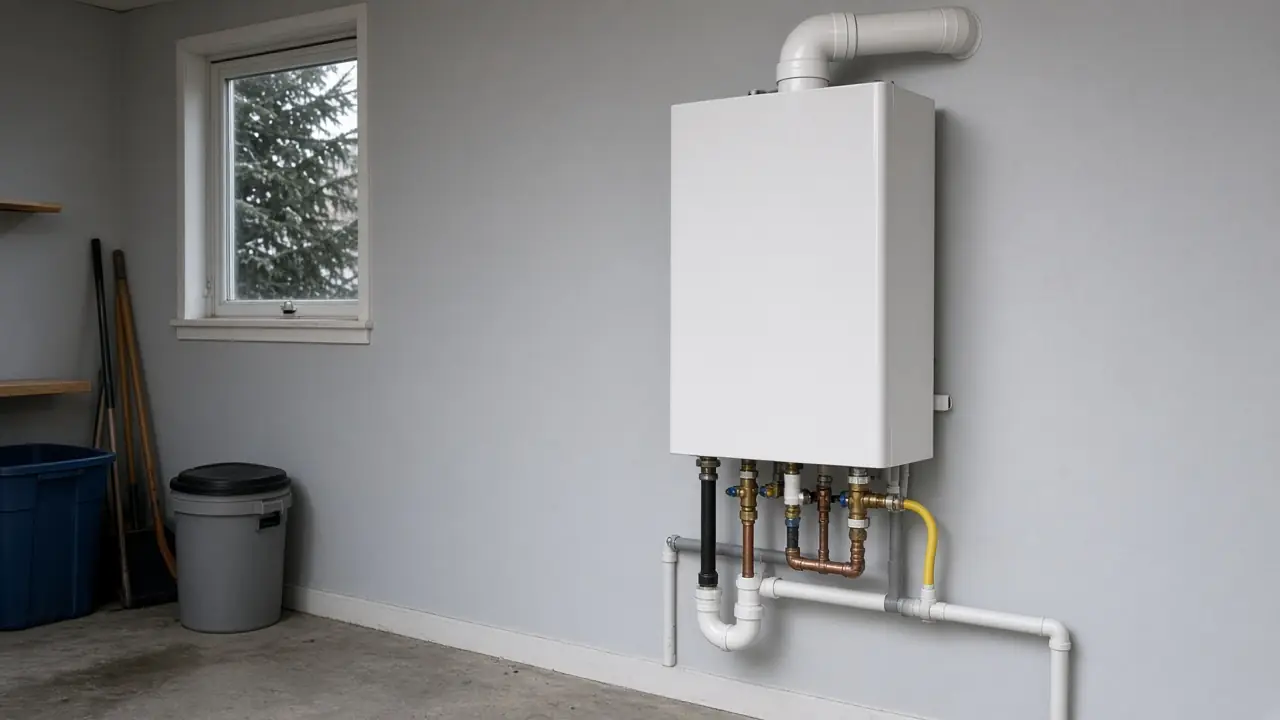
When replacing a tankless unit in Happy Valley, OR, recheck gas capacity for the new model, confirm the vent material and length are approved, refresh condensate handling, install new isolation valves, and make sure the new unit supports the home's recirculation setup. In linked systems, confirm the new unit can cascade with any units staying in place. HOA rules may apply if the termination changes. A permit is generally required.
Warranty and diagnosis
Confirm the old unit is out of warranty and get a written diagnosis before replacing.
Vent and gas
New models often need different vent materials. Recalculate gas load if inputs rise.
Recirculation and linking
Match the replacement to the home's recirc method and linking protocol.
Condensate and valves
New neutralizer media, confirmed drain, fresh valves.
Alternatives
A heat pump water heater may suit; see Energy Trust's incentives and PGE's water heater page. Compare on water heater replacement in Happy Valley.
Permits
See the Oregon Building Codes Division and the City of Happy Valley.
Happy Valley notes
Early neighborhoods near Happy Valley Park hold many of the city's oldest tankless units; newer homes toward Scouters Mountain Nature Park are mostly still in warranty.
What usually fails first on an early tankless unit
On the first-generation units in Happy Valley's earlier subdivisions, the parts that give out first tend to be the fan motor, the flame rod, the flow sensor, and the control board, followed eventually by the heat exchanger. A single fan or sensor replacement can be a reasonable repair on a unit in good shape. When the heat exchanger starts leaking, or several parts fail within a year or two, replacement is usually the better use of money. Ask the technician to show you what failed and how much of the unit is original.
Planning the swap around Happy Valley weather
The higher streets in Happy Valley can see snow and ice that linger longer than in the valley, and a replacement scheduled in a cold week means a household without hot water at the worst time. Late spring and early fall are the easiest windows. If the old unit is still working but showing its age, line up the replacement before the first freeze rather than waiting for a failure in January.
Keeping the new unit healthy
Register the new unit with the manufacturer right away, keep the permit and invoice together, and set a calendar reminder for descaling and filter cleaning. Check the vent termination after storms. Those small habits keep a long heat exchanger warranty valid and keep the second unit going longer than the first.
Choosing between same-brand and a new brand
Staying with the same manufacturer can simplify venting, gas connections, and linking with any units that remain, and the installer may be able to reuse mounting brackets. Switching brands can make sense if the old brand's parts support has been poor or if a different model fits recirculation better. Either way, get the vent and gas requirements in writing before the old unit is removed.
Living with a water heater in Happy Valley
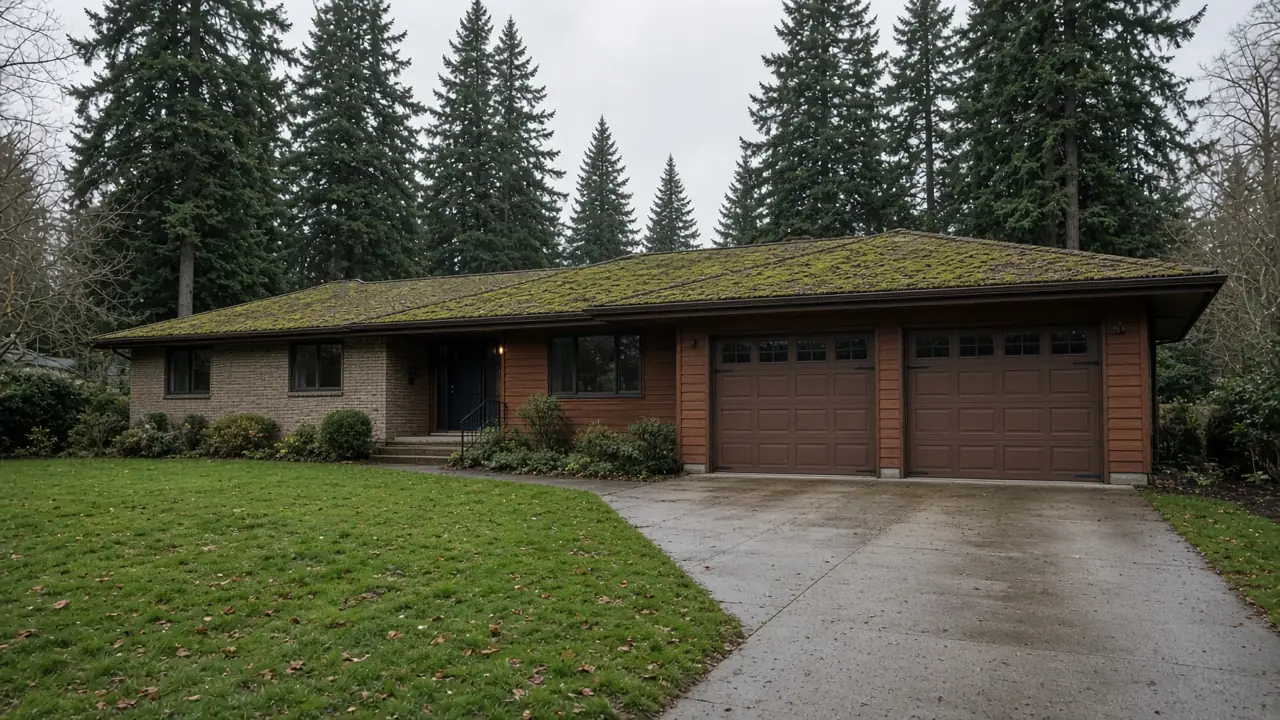
Happy Valley sits on the buttes and slopes southeast of Portland, near Mount Scott and Scouters Mountain, and it has been one of the fastest-growing cities in Oregon. Much of its housing is new, built from the 1990s onward, with many large two-story homes, steep driveways, and hillside lots. Newer construction means more tankless units, heat pump water heaters, and power-vent or direct-vent gas tanks than in older cities, along with modern code items such as expansion tanks and seismic strapping already in place. Elevation and exposure make some neighborhoods a little colder and windier than the valley floor in winter, and snow and ice can linger on the higher streets. Water service in the area is provided by regional water providers rather than a single city utility, so your bill is the best guide to the source. New-build equipment reaching its first replacement, warranties, and hillside access are the local factors that come up most for Happy Valley water heaters.
What a tankless swap in Happy Valley should include
- Cause of the old unit's failure documented
- New unit's maximum input compared with the gas line capacity
- Vent material, diameter, and length matched to the new manual
- Condensate drain, neutralizer, and route confirmed or added
- Isolation valves, relief valve, and inlet filter replaced or added
- Connection spacing adapted with proper fittings
- Freeze protection and outage plan reviewed
- Permit pulled and inspection completed
Tankless swap prep list for Happy Valley
Before replacing a tankless unit in Happy Valley, gather the old unit's model and serial, the install date, the vent material and route, and any repair history. Photograph the gas connection, water connections, condensate line, and outside terminations. Note any changes since the original install, such as added bathrooms or gas appliances. Ask quotes to confirm vent compatibility, gas load, condensate handling, valves, and permit in writing.
Happy Valley at a glance
- Location: Happy Valley, Oregon, about 20–25 minutes southeast of central Portland.
- Local landmarks used on this page: Happy Valley Park, Scouters Mountain Nature Park.
- City information and building contacts: City of Happy Valley.
- State permit rules: Oregon Building Codes Division.
- Utilities: PGE or another electric utility and NW Natural gas serve most addresses; incentives are listed by Energy Trust of Oregon.
- Nearby city page: Gresham.
- Map: the map on this page shows Happy Valley, Oregon at city level, not a business address.
Related pages
If repairable, see tankless water heater repair in Happy Valley. For first installs, read tankless water heater installation in Happy Valley. The Happy Valley overview lists every page, tankless water heater replacement in Portland covers the metro, and Gresham tankless replacement is nearby.