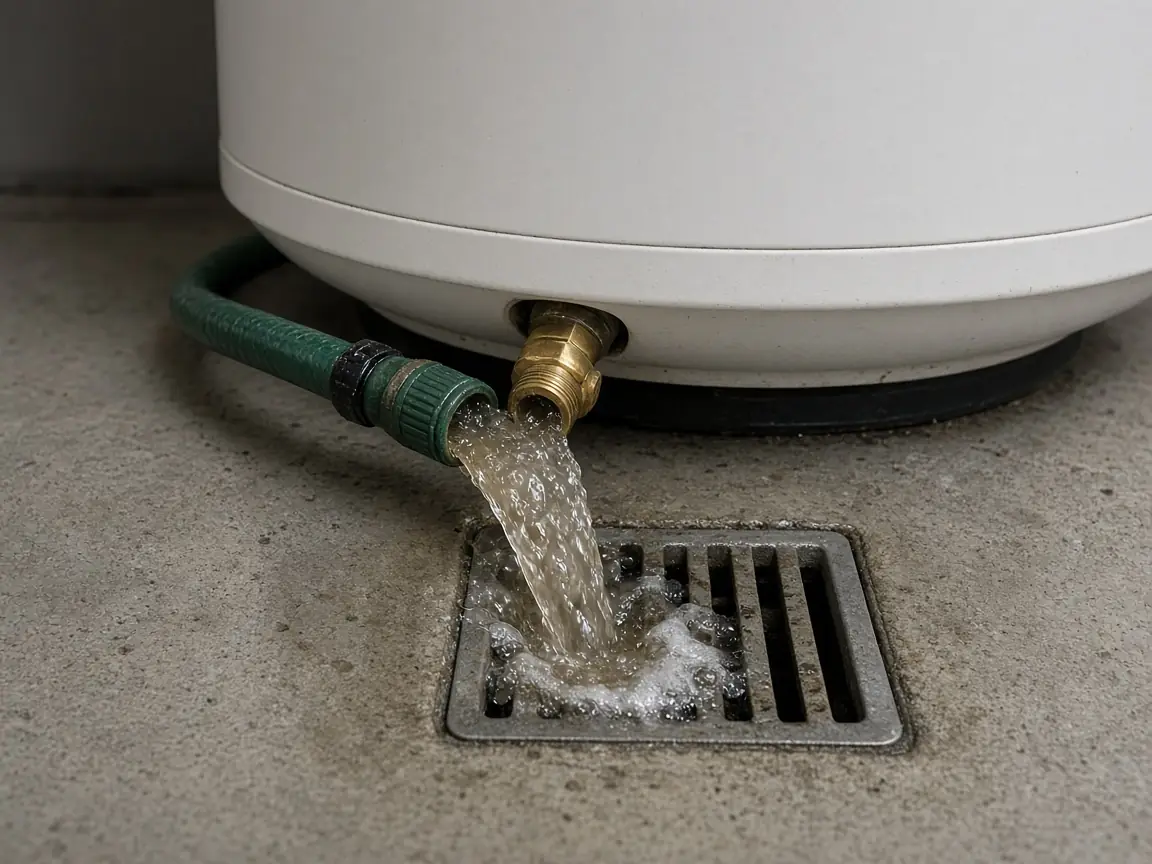
A water heater flush in Happy Valley, OR is worth doing on a dry, sound tank every year or two, or sooner if it starts popping during heating. Many Happy Valley heaters are newer, so flushing is mostly preventive. Manufacturers often recommend periodic draining in their manuals, and following those steps keeps warranty claims straightforward. Heat pump water heaters also need their air filter cleaned and condensate drain checked.
When to flush
Popping during heating, gritty water at a drain test, or a manual's recommended interval. Quiet tanks on relatively soft regional water can go two years.
Steps
Energy off, cold supply closed, hose from drain valve to a drain or down the driveway, hot tap open, drain until clear with short bursts of cold supply to stir sediment, close drain, refill with hot tap open, then restore energy.
Heat pump tank care
Clean the air filter per the manual, typically every few months. Check that the condensate line drains freely. Flushing the tank itself follows the same steps as a standard tank.
Anode
Check the anode every few years. See the anode rod guide.
Warranty records
Note the date of each flush. If a tank claim arises, maintenance records help.
Happy Valley notes
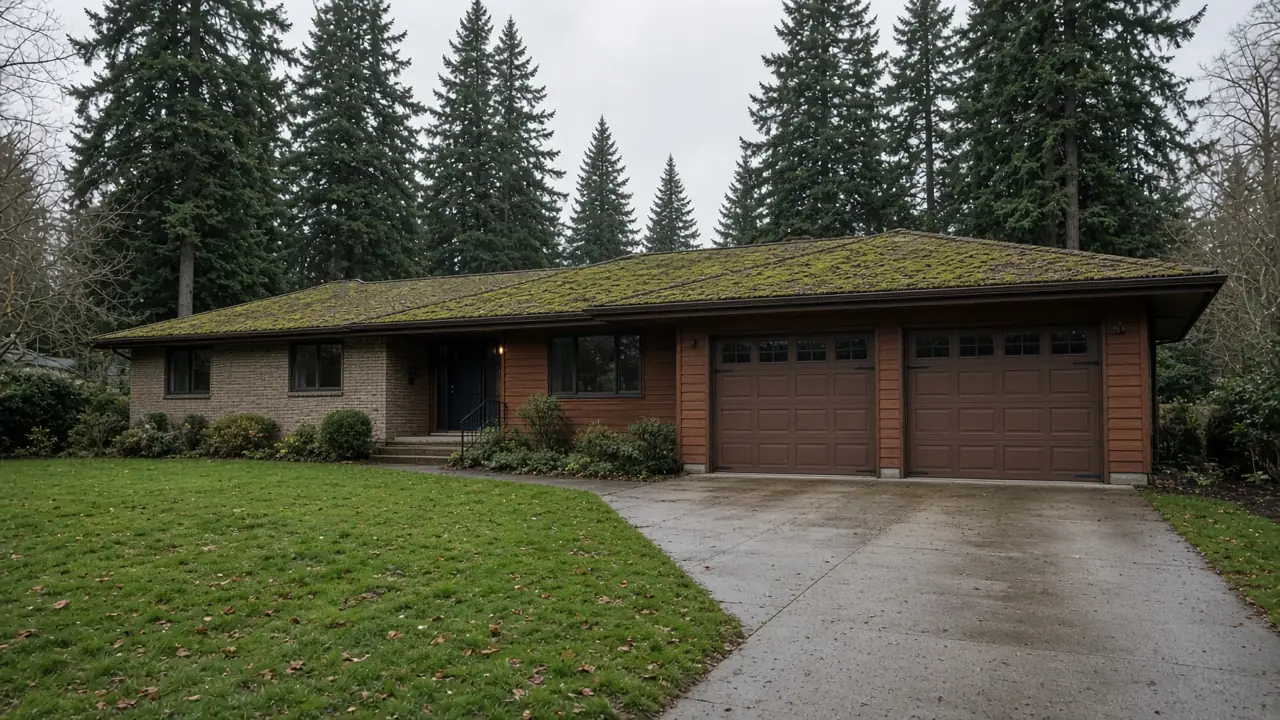
Water comes from regional providers; your bill names yours, and the City of Happy Valley site has local contacts. Steep driveways make hose routing easy but send water fast toward the street; aim it at a landscaped area that does not drain back to the house. A flush before a morning at Happy Valley Park or the trail at Scouters Mountain Nature Park takes about an hour. Verify contractors with the Oregon CCB search.
What a flush will not fix
A flush clears loose sediment. It will not repair a failed element, a broken dip tube, a stuck thermostat, or a leaking tank. If the tank still makes little hot water after a flush, test the elements or ignition. If water appears at the base, stop and plan for a replacement. If the tank is under warranty and the problem persists, call the manufacturer before paying for parts, since many newer Happy Valley heaters still carry coverage.
Heat pump tanks on a hillside lot
Heat pump water heaters are common in Happy Valley's newer homes. Their condensate line usually runs to a floor drain or a pump; on a flush day, check that line too, since sediment and dust can slow it. A clogged condensate line can trip an error code that looks like a heating failure. The air filter on top deserves the same attention: a dusty garage clogs it quickly, and a clogged filter forces the unit into slower, less efficient backup heating.
Living with a water heater in Happy Valley
Happy Valley sits on the buttes and slopes southeast of Portland, near Mount Scott and Scouters Mountain, and it has been one of the fastest-growing cities in Oregon. Much of its housing is new, built from the 1990s onward, with many large two-story homes, steep driveways, and hillside lots. Newer construction means more tankless units, heat pump water heaters, and power-vent or direct-vent gas tanks than in older cities, along with modern code items such as expansion tanks and seismic strapping already in place. Elevation and exposure make some neighborhoods a little colder and windier than the valley floor in winter, and snow and ice can linger on the higher streets. Water service in the area is provided by regional water providers rather than a single city utility, so your bill is the best guide to the source. New-build equipment reaching its first replacement, warranties, and hillside access are the local factors that come up most for Happy Valley water heaters.
What a proper flush in Happy Valley involves
- Tank age and condition reviewed before draining
- Energy turned off and cold supply closed
- Drain valve type checked; brittle plastic valves noted before opening
- Hose route secured to a safe drain or outdoor discharge
- Tank drained and stirred with brief cold-supply bursts until clear
- Anode rod inspected while the tank is depressurized
- Tank refilled completely with air bled before energy is restored
- Relief valve tested and checked for proper reseating
Flush prep list for Happy Valley
Before a flush in Happy Valley, find the drain valve and check what it is made of, identify where the hose will discharge, and gather a hose long enough to reach without kinks, gloves, and a bucket for the first sample. Note the tank age from the rating plate. If the anode rod will be inspected too, have the correct socket size and a replacement rod on hand. Plan the job for a dry, mild day so the hose route outdoors is safe.
Happy Valley at a glance
- Location: Happy Valley, Oregon, about 20–25 minutes southeast of central Portland.
- Local landmarks used on this page: Happy Valley Park, Scouters Mountain Nature Park.
- City information and building contacts: City of Happy Valley.
- State permit rules: Oregon Building Codes Division.
- Utilities: PGE or another electric utility and NW Natural gas serve most addresses; incentives are listed by Energy Trust of Oregon.
- Nearby city page: Gresham.
- Map: the map on this page shows Happy Valley, Oregon at city level, not a business address.
Related pages
Tankless units are descaled, not flushed; see tankless water heater repair in Happy Valley. For lukewarm water after a flush, read water heater repair in Happy Valley. The Happy Valley overview lists every page, water heater flush in Portland covers the metro, the hard water guide explains scale, and Gresham flush notes are nearby.