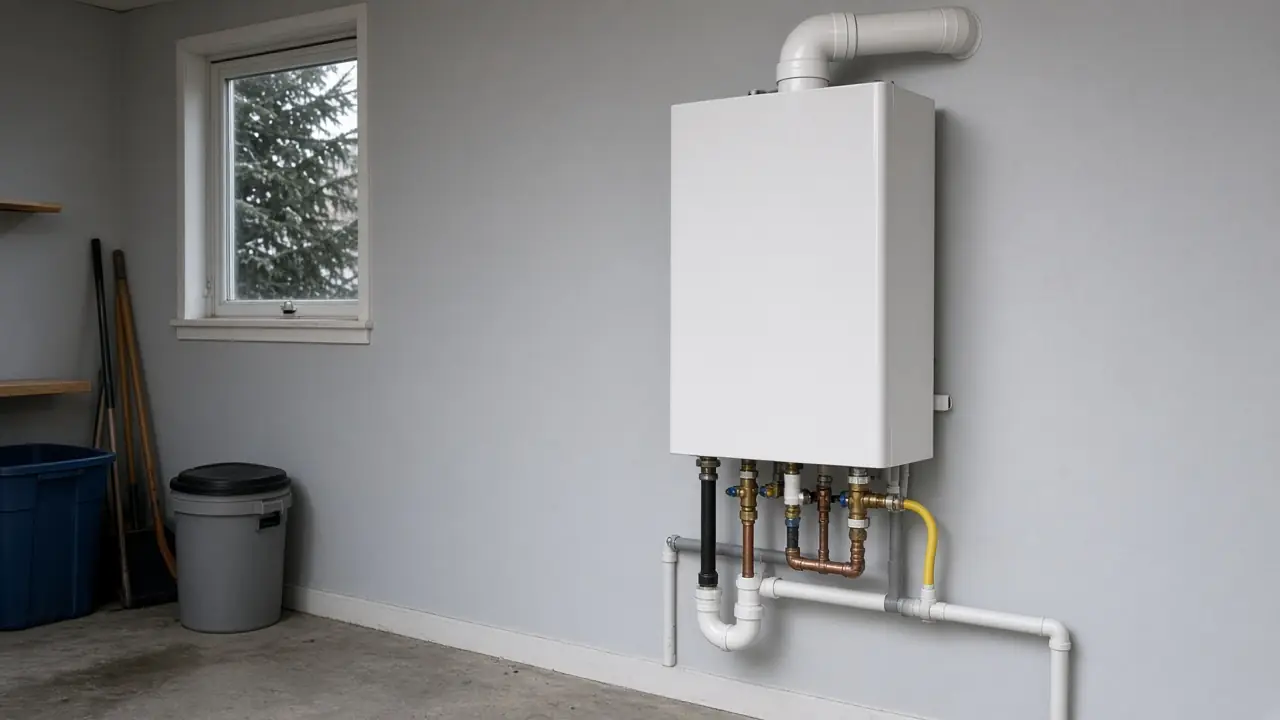
A first tankless installation in Tigard, OR has to include a gas line sized for the unit's maximum input, an approved vent and termination, a condensate drain and neutralizer for condensing units, isolation valves, and a permit. In Tigard split-levels, the existing tank often sits deep inside the house, so installers frequently relocate the tankless unit to a garage or exterior wall to keep the vent short. Homes with high water pressure should also have the pressure-reducing valve checked, since tankless components are sensitive to pressure spikes.
Gas supply
Whole-home units can need several times the gas of a tank. Tigard homes from the 1970s often have gas lines sized for a furnace, range, and tank only. A load calculation from the meter decides whether to upsize.
Location and venting
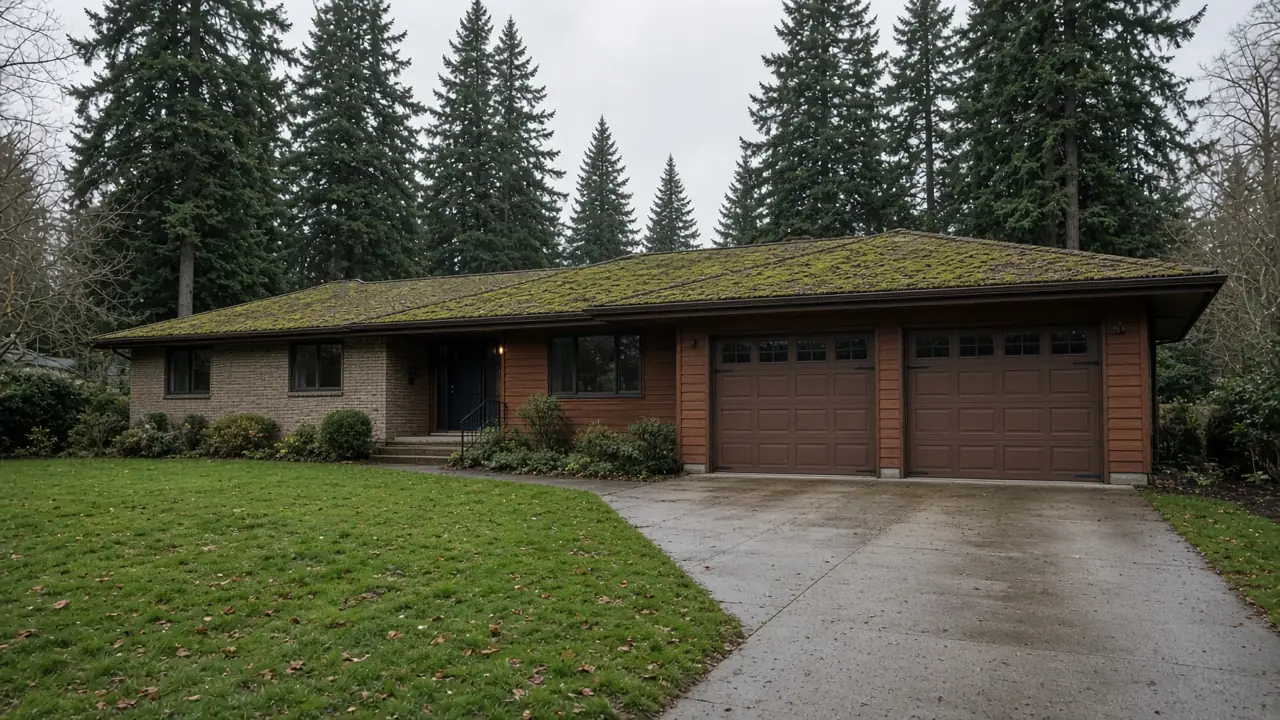
Moving the unit closer to an exterior wall shortens venting and simplifies terminations. Clearances from windows, doors, and soffit vents apply. On hillside lots, a termination at grade on the downhill side may need extra height.
Pressure and water quality
High static pressure can stress tankless heat exchangers and valves. Confirm house pressure and the pressure-reducing valve before installation. Clackamas River water is relatively soft, which limits scale, but install isolation valves for descaling anyway; see the tankless descaling guide.
Condensate
Condensing models need a neutralizer and a drain; garages without floor drains need a pump.
Electric tankless
Whole-home electric tankless units need very high amperage. Many Tigard homes lack the capacity. A heat pump water heater is usually the practical electric choice.
Permits and incentives
Plumbing and often mechanical permits apply; see the Oregon Building Codes Division. Tigard contacts start at the City of Tigard. Check the NW Natural water heater offer and Energy Trust incentives.
Sizing for a Tigard morning
Tankless units are chosen by flow at a temperature rise, not by gallons. In January, water entering a Tigard home can be cold enough that the unit must raise it by seventy degrees or more, and that cuts the flow a given model can deliver. Make a realistic list: two showers at roughly two gallons per minute each, a dishwasher, perhaps a laundry cycle. Then ask to see the manufacturer's chart at your winter inlet temperature. Units sized from summer numbers are the ones that leave the second shower lukewarm in February.
What changes in the house
Converting from a tank means the old tank's space is freed, the old vent may be capped or removed, and the gas line to the old location may be retired. If the tank vented into a chimney shared with the furnace, removing it can leave the furnace vent oversized, so the furnace venting should be checked as part of the job. Plan where the condensate goes and where the service valves will be reachable for descaling.
Tigard notes
Split-levels near the Fanno Creek Trail and hillside homes above Dirksen Nature Park present very different install routes; walk the house with the installer before choosing a location.
Living with a water heater in Tigard
Tigard sits southwest of Portland, crossed by Highway 217 and Interstate 5, with Fanno Creek running through its lower neighborhoods and Bull Mountain rising to the west. That change in elevation matters for plumbing: homes low in a pressure zone can see high street pressure, and many houses have pressure-reducing valves that make the plumbing a closed system. High pressure and failed expansion tanks are therefore common reasons for relief-valve drips and stressed fittings here. Housing ranges from 1960s and 1970s ranches and split-levels near the highway corridors to larger hillside homes from the 1990s and 2000s and newer townhomes near the town center. Much of Tigard's water now comes through the Lake Oswego Tigard Water Partnership from the Clackamas River, which is relatively soft. Damp winters, split-level utility rooms with tight access, and pressure are the local factors that shape most Tigard water heater decisions.
What a first tankless install in Tigard should cover
- Gas load calculation for every appliance and the pipe length from the meter
- Unit sized by flow rate at the coldest realistic inlet temperature
- Vent material and termination chosen per the manufacturer and code clearances
- Condensate drain and neutralizer planned for condensing models
- Isolation service valves and an accessible inlet filter installed
- Electrical outlet or circuit provided for controls, fans, and freeze protection
- Permits pulled for plumbing and, where needed, mechanical work
Tankless install prep list for Tigard
Before requesting a first tankless quote in Tigard, list every gas appliance in the house, note the distance from the gas meter to the proposed unit location, and photograph the wall where it would hang and the outside wall where the vent would exit. Count the showers and appliances that run together on a busy morning. Check the electrical panel label for open spaces. Those details let an installer size the gas line, vent, and unit properly the first time.
Tigard at a glance
- Location: Tigard, Oregon, about 15–25 minutes southwest of central Portland on I-5.
- Local landmarks used on this page: Cook Family Park, Dirksen Nature Park.
- City information and building contacts: City of Tigard.
- State permit rules: Oregon Building Codes Division.
- Utilities: PGE or another electric utility and NW Natural gas serve most addresses; incentives are listed by Energy Trust of Oregon.
- Nearby city page: Tualatin.
- Map: the map on this page shows Tigard, Oregon at city level, not a business address.
Related pages
For existing tankless units, see tankless water heater replacement in Tigard. To compare with tanks, read water heater replacement in Tigard. The Tigard overview lists every page, tankless water heater installation in Portland covers the metro, and Tualatin tankless installation is next door.