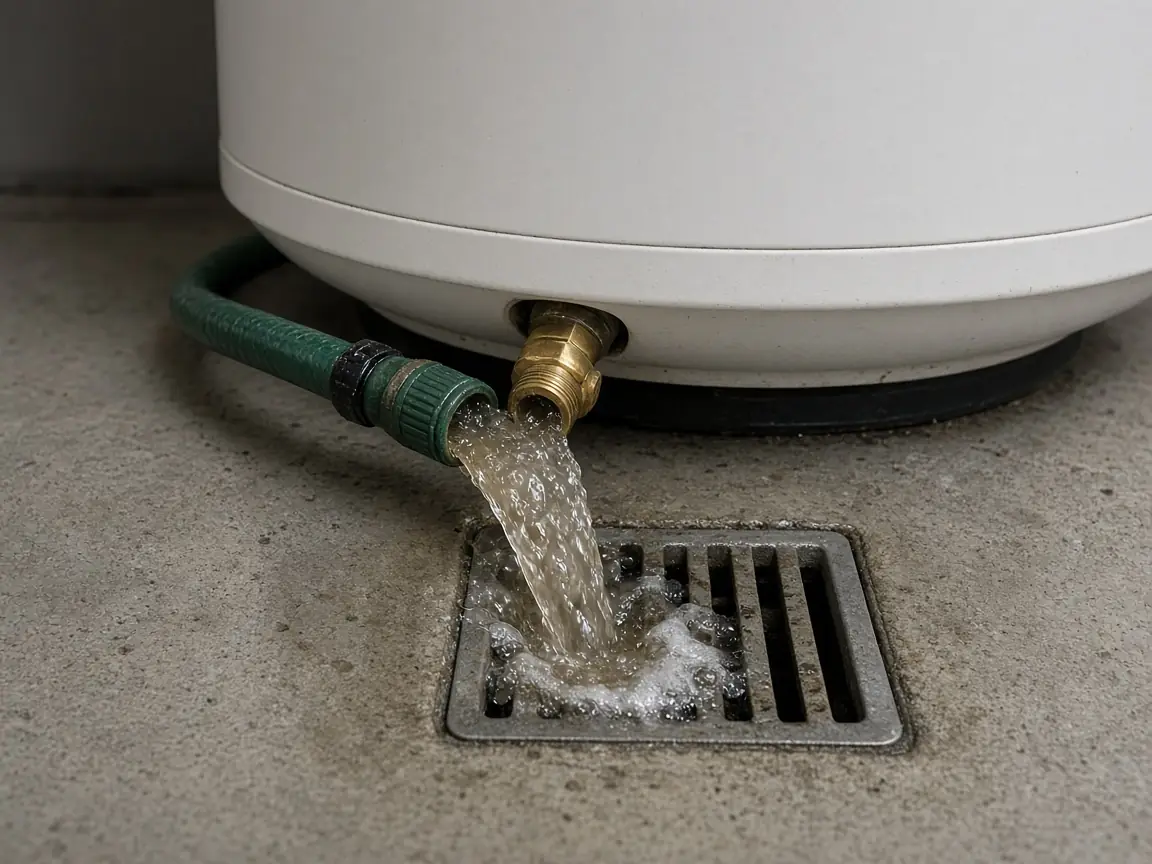
A water heater flush in Tigard, OR is worth doing when a sound, dry tank starts popping during heating, or after several years without maintenance. Tigard's Clackamas River supply is relatively soft, so most tanks collect sediment slowly. In homes with high water pressure, open the drain valve gradually and secure the hose, because a pressurized surge can pull a hose off a floor drain. Skip the flush on leaking or heavily rusted tanks.
Signs it is time
Popping and rumbling during heating, a slightly shorter hot water supply, and gritty water from a brief drain-valve test are the usual signs. A bang when a valve closes is water hammer, which is common in high-pressure homes and is not fixed by flushing.
Tanks to leave alone
Leaking shells, rust at the base, brittle plastic drain valves, and tanks past twelve years without maintenance are poor candidates. Plan water heater replacement in Tigard for those.
Flushing steps
Turn off energy. Close the cold supply. Connect a hose and route it to a floor drain, sink, or outdoors downhill from the house. Open a hot tap to let air in. Open the drain valve slowly. When the water clears, briefly open the cold supply with the drain open to stir sediment, then close it. Close the drain, refill with a hot tap open until flow is steady, and restore energy last.
Pressure and the drain valve
With the cold supply open during the stirring step, high house pressure produces a strong surge. Hold or weight the hose end. If the pressure is above about 80 psi, consider having the pressure-reducing valve checked; high pressure also stresses the tank.
Split-level routing
Lower-level utility rooms in split-levels often have a floor drain. If not, route the hose through the garage to the driveway. Protect carpet along the way.
Anode check
With the tank depressurized, inspect the anode rod. Replace it if the core wire shows. See the anode rod guide.
Reading what comes out
Fill a clear jar from the first gallon out of the drain. Sand-like grit points to sediment carried in from the mains, often after nearby water work. White or tan flakes are mineral scale. Rusty water that does not clear suggests corrosion inside the tank or a spent anode. Bits of white plastic can be pieces of a deteriorating dip tube, which also explains lukewarm water. The jar tells you whether the flush solved the problem or simply revealed a different one, and it is useful to show a technician if a repair follows.
After the refill
Run the hot tap until air stops sputtering, then let the tank heat fully before judging the noise. Check the drain valve for drips an hour later and again the next day. If the tank is quieter, note the date on a tag so the next flush happens on schedule rather than when the popping returns.
Tigard notes
The City of Tigard site links to water quality information for addresses on its system. A spring weekend is the easy time to flush, between visits to Dirksen Nature Park and the playgrounds at Cook Family Park. Verify any contractor with the Oregon CCB search.
Living with a water heater in Tigard
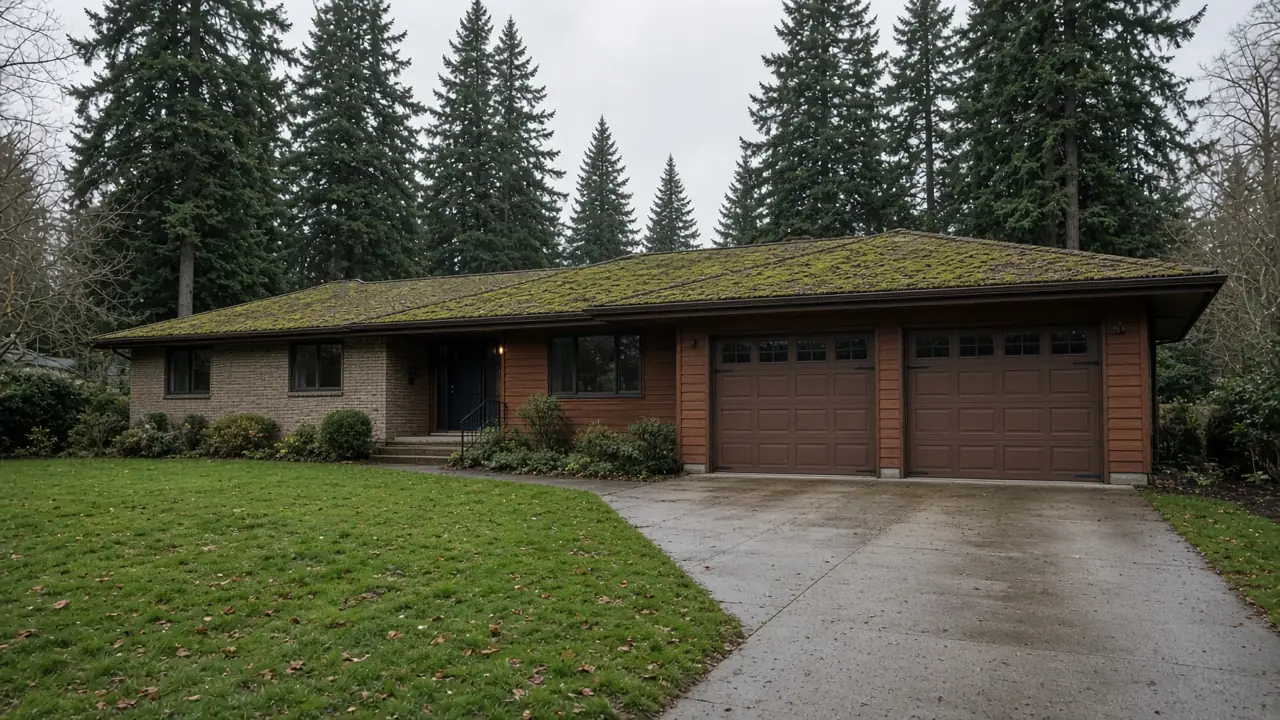
Tigard sits southwest of Portland, crossed by Highway 217 and Interstate 5, with Fanno Creek running through its lower neighborhoods and Bull Mountain rising to the west. That change in elevation matters for plumbing: homes low in a pressure zone can see high street pressure, and many houses have pressure-reducing valves that make the plumbing a closed system. High pressure and failed expansion tanks are therefore common reasons for relief-valve drips and stressed fittings here. Housing ranges from 1960s and 1970s ranches and split-levels near the highway corridors to larger hillside homes from the 1990s and 2000s and newer townhomes near the town center. Much of Tigard's water now comes through the Lake Oswego Tigard Water Partnership from the Clackamas River, which is relatively soft. Damp winters, split-level utility rooms with tight access, and pressure are the local factors that shape most Tigard water heater decisions.
What a proper flush in Tigard involves
- Tank age and condition reviewed before draining
- Energy turned off and cold supply closed
- Drain valve type checked; brittle plastic valves noted before opening
- Hose route secured to a safe drain or outdoor discharge
- Tank drained and stirred with brief cold-supply bursts until clear
- Anode rod inspected while the tank is depressurized
- Tank refilled completely with air bled before energy is restored
- Relief valve tested and checked for proper reseating
Flush prep list for Tigard
Before a flush in Tigard, find the drain valve and check what it is made of, identify where the hose will discharge, and gather a hose long enough to reach without kinks, gloves, and a bucket for the first sample. Note the tank age from the rating plate. If the anode rod will be inspected too, have the correct socket size and a replacement rod on hand. Plan the job for a dry, mild day so the hose route outdoors is safe.
Tigard at a glance
- Location: Tigard, Oregon, about 15–25 minutes southwest of central Portland on I-5.
- Local landmarks used on this page: Cook Family Park, Dirksen Nature Park.
- City information and building contacts: City of Tigard.
- State permit rules: Oregon Building Codes Division.
- Utilities: PGE or another electric utility and NW Natural gas serve most addresses; incentives are listed by Energy Trust of Oregon.
- Nearby city page: Tualatin.
- Map: the map on this page shows Tigard, Oregon at city level, not a business address.
Related pages
Tankless units are descaled through service valves; see tankless water heater repair in Tigard. For lukewarm water after a flush, read water heater repair in Tigard. The Tigard overview lists every page, water heater flush in Portland covers the metro, and Tualatin's flush page is next door.