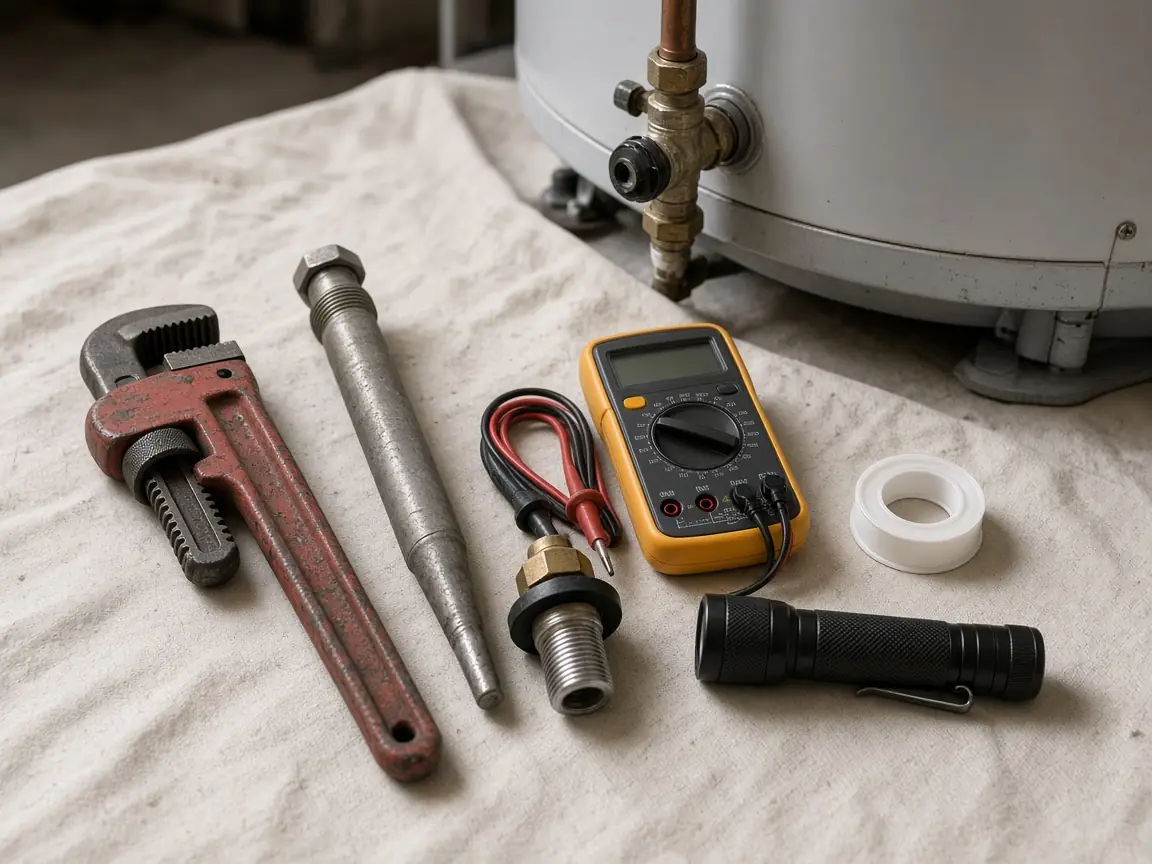
Before repairing a water heater in Tigard, OR, check that the tank is dry, read the manufacture date on the rating plate, and note whether the symptom is heat, volume, noise, or water at the relief valve. Tigard's elevation changes, from the Fanno Creek lowlands up toward Bull Mountain, mean some homes see high street pressure, and pressure shows up at the water heater as a dripping relief valve, a failing expansion tank, or weeping fittings. A dry tank with one failed part is usually worth repairing.
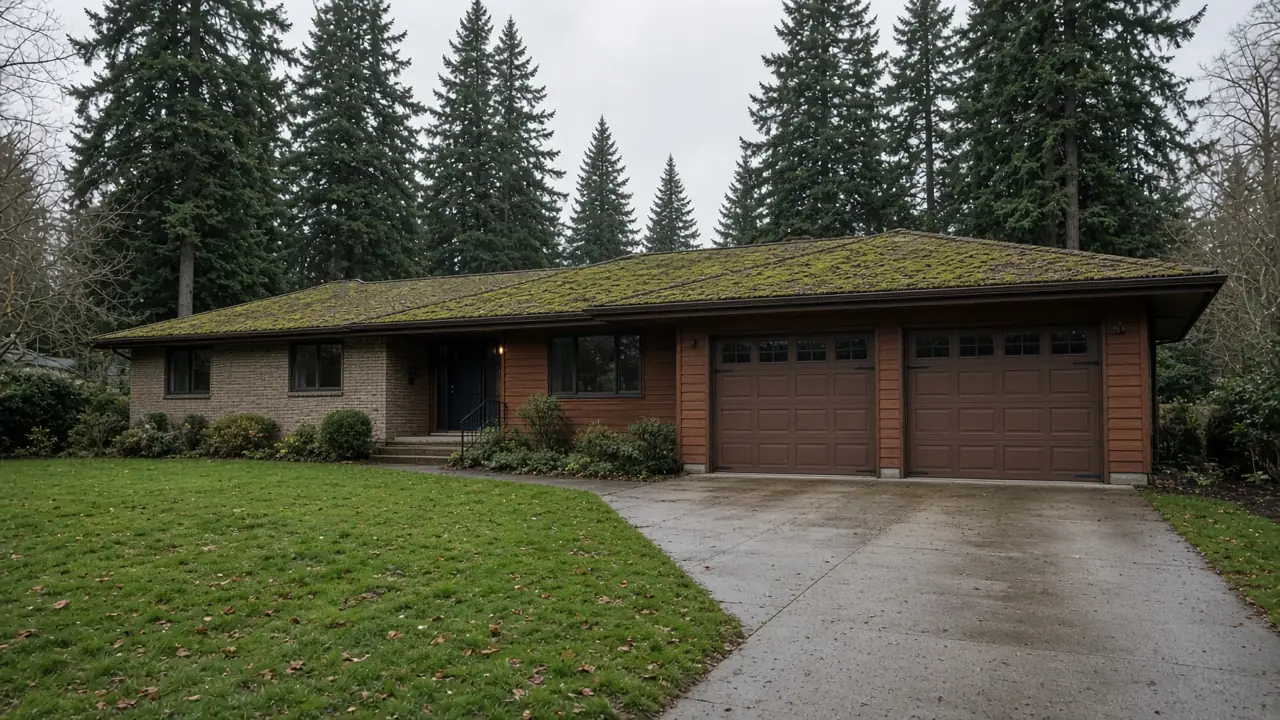
Tigard's housing is a mix of 1960s and 1970s ranches and split-levels near Highway 217, larger 1990s and 2000s homes on the hills, and newer townhomes near the town center. Repairs follow that mix.
Pressure and the relief valve
Homes low in a pressure zone can see high static pressure from the street. Many have pressure-reducing valves on the main, which make the system closed. When the heater runs, water expands; without a working expansion tank, pressure climbs until the relief valve opens. If your relief valve drips after a heating cycle, check house pressure with an inexpensive gauge on a hose bib. Readings above about 80 psi suggest the pressure-reducing valve needs adjustment or replacement. Then test the expansion tank's air charge. The expansion tank guide covers the details.
A relief valve that drips constantly even at normal pressure is usually worn and should be replaced. Never cap it.
Electric and gas part failures
Electric tanks lose elements and thermostats; testing with the breaker verified off finds the culprit. Gas tanks lose thermocouples, flame sensors, and igniters. High pressure can also stress flex connectors and the tank's internal dip tube, so a lukewarm complaint in a high-pressure home may involve a cracked dip tube.
Noise
Popping during heating is sediment; see water heater flush in Tigard. A loud bang when a faucet or appliance valve closes is water hammer, worse in high-pressure homes. Hammer arrestors or a properly set pressure-reducing valve quiet it.
Repair or replace
Under eight years with a dry base: repair. Eight to twelve: repair simple parts, plan ahead. Past twelve, or with rust at the base or a costly gas valve failure: move to water heater replacement in Tigard.
Tigard specifics
Much of Tigard's water now comes through the Lake Oswego Tigard Water Partnership from the Clackamas River, which is relatively soft; your bill names your provider, and the City of Tigard site links to water and building information. Soft water keeps scale modest, so in Tigard pressure and age are bigger drivers of repair calls than minerals.
Families walking the Fanno Creek Trail or spending a Saturday at Cook Family Park live in the lower parts of town where pressure tends to run higher. Homes up the slopes near Dirksen Nature Park and beyond vary block to block.
Work on gas piping or venting generally needs a permit; see the Oregon Building Codes Division.
Living with a water heater in Tigard
Tigard sits southwest of Portland, crossed by Highway 217 and Interstate 5, with Fanno Creek running through its lower neighborhoods and Bull Mountain rising to the west. That change in elevation matters for plumbing: homes low in a pressure zone can see high street pressure, and many houses have pressure-reducing valves that make the plumbing a closed system. High pressure and failed expansion tanks are therefore common reasons for relief-valve drips and stressed fittings here. Housing ranges from 1960s and 1970s ranches and split-levels near the highway corridors to larger hillside homes from the 1990s and 2000s and newer townhomes near the town center. Much of Tigard's water now comes through the Lake Oswego Tigard Water Partnership from the Clackamas River, which is relatively soft. Damp winters, split-level utility rooms with tight access, and pressure are the local factors that shape most Tigard water heater decisions.
What a repair visit in Tigard should check
- Rating plate read for age, fuel, capacity, and element wattage or burner input
- Breaker, disconnect, or gas supply confirmed before any panel comes off
- Elements and thermostats tested for continuity and resistance with power verified off
- Pilot, thermocouple, flame sensor, or igniter inspected on gas tanks
- Relief valve, discharge pipe, and expansion tank checked for pressure problems
- Top fittings, flex connectors, and drain valve inspected for weeps
- Tank base and jacket checked for rust that would make a repair a poor investment
Repair prep list for Tigard
Before a repair visit in Tigard, gather the rating plate photo (brand, model, serial, and manufacture date), note the fuel type, and write down exactly what changed: no hot water, short hot water, noise, or water on the floor. Note whether the breaker or gas supply has been checked and whether a reset was tried. A photo of the top connections and the burner or element panels helps a technician bring the right parts. Keep the area around the heater clear by about three feet so panels can come off safely.
Tigard at a glance
- Location: Tigard, Oregon, about 15–25 minutes southwest of central Portland on I-5.
- Local landmarks used on this page: Cook Family Park, Dirksen Nature Park.
- City information and building contacts: City of Tigard.
- State permit rules: Oregon Building Codes Division.
- Utilities: PGE or another electric utility and NW Natural gas serve most addresses; incentives are listed by Energy Trust of Oregon.
- Nearby city page: Tualatin.
- Map: the map on this page shows Tigard, Oregon at city level, not a business address.
Related pages
For gas pilot or ignition issues, see gas water heater repair in Tigard. For tankless codes, read tankless water heater repair in Tigard. The Tigard overview lists every page, water heater repair in Portland covers the metro, and Tualatin's repair page is just south.