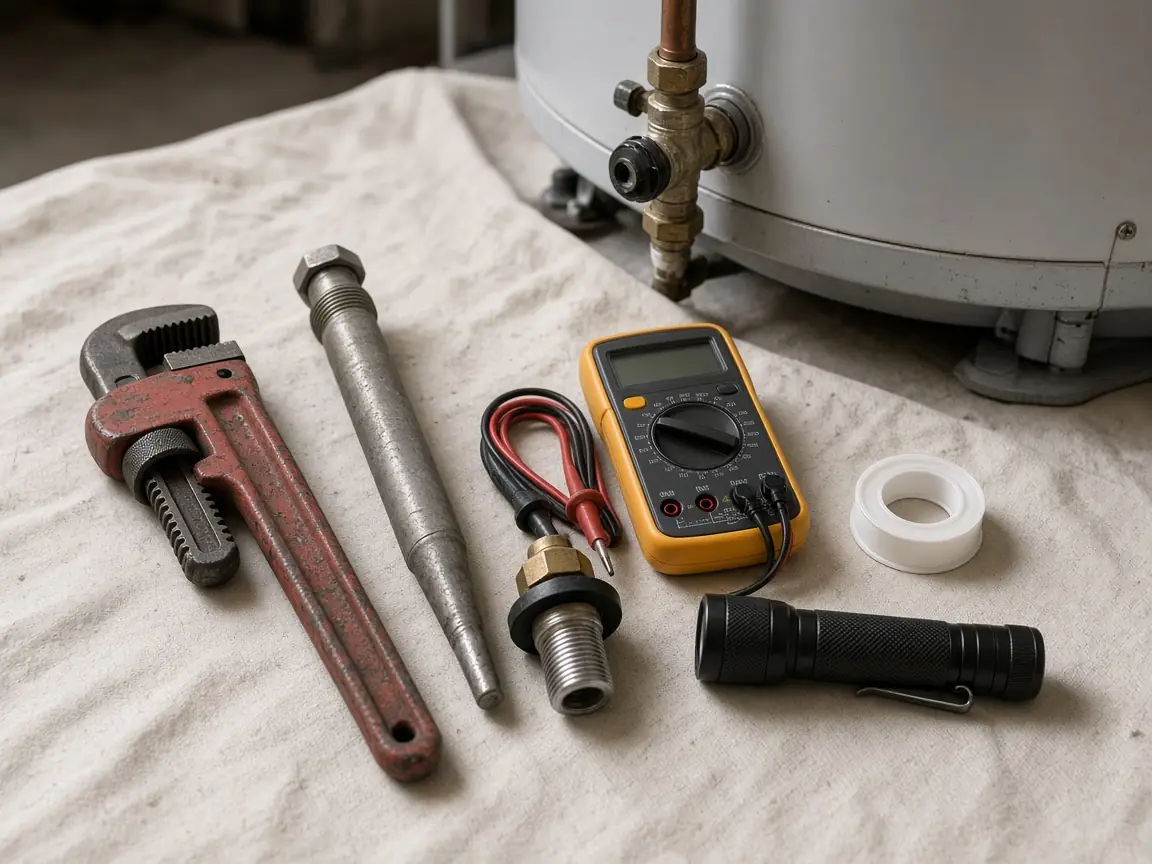
Before repairing a water heater in Milwaukie, OR, check whether the tank is dry, read its age from the rating plate, and figure out whether the symptom comes from the heater or from the house's older plumbing. Many Milwaukie homes date from the 1920s through the 1960s and still have sections of galvanized steel pipe, which can shed rust into the water. If rusty water appears on both hot and cold taps, the pipes are the likely source; if it appears only on the hot side, the tank or its anode rod is the suspect.
The rusty water test
Run cold water at a tub spout for a minute and catch some in a white cup. Then do the same with hot. Rust in both points to galvanized supply piping. Rust only in hot water points to the heater: a consumed anode rod or a corroding tank interior. If the anode is spent but the tank is otherwise sound, replacing the rod is a worthwhile repair; see the anode rod guide. If the tank is rusting from the inside, plan for water heater replacement in Milwaukie.
Well water and sediment
Milwaukie's city water comes from wells, and groundwater tends to carry more dissolved minerals than surface sources such as Portland's Bull Run. That can mean more sediment on the tank bottom, faster anode wear, and more frequent element failures on electric tanks, since sediment can bury the lower element. A tank that pops during heating may simply need a water heater flush in Milwaukie.
Basement heaters and old gas lines
Many Milwaukie basements hold a gas tank on a concrete floor, sometimes next to an old floor drain and a laundry tub. Gas lines in older homes may be original black iron with many fittings added over the decades. If a repair involves the gas connector or valve, the condition of that piping matters. Rusted, damp basements are also hard on burner assemblies and vent connectors. See gas water heater repair in Milwaukie for gas-specific checks.
Common part failures
Electric tanks: elements, thermostats, and the high-limit switch. Gas tanks: thermocouples, pilot assemblies, flame sensors, and occasionally the gas control valve. Relief valves drip with age. Drain valves, often plastic, crack or clog. Each is a reasonable repair on a sound tank.
Repair or replace
Under eight years with a dry base, repair. Eight to twelve, repair simple parts and plan ahead. Past twelve, or with rust inside the tank, replacement usually wins. In a basement with a working floor drain, a slow-developing leak causes less damage than in an upstairs closet, but it still deserves prompt attention.
Milwaukie notes
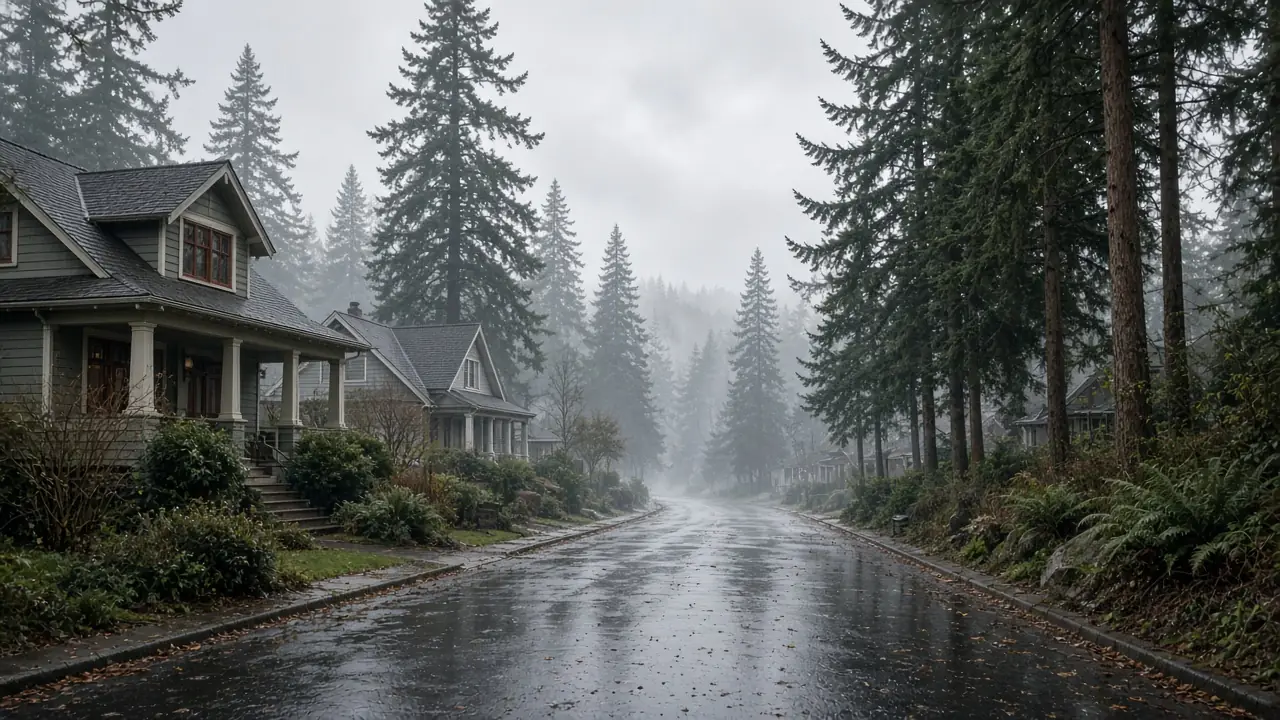
Milwaukie's riverfront neighborhoods sit low and close to the Willamette, near Milwaukie Bay Park, and the ground stays damp through the rainy season. Farther in, the wooded slope at Kronberg Park along Kellogg Lake marks some of the older residential streets. Your water bill and the City of Milwaukie site explain the city's water system and building contacts. Work involving gas piping or venting generally needs a permit under Oregon rules; see the Oregon Building Codes Division.
Living with a water heater in Milwaukie
Milwaukie is a compact city just south of Portland on the east bank of the Willamette River, where Johnson Creek and Kellogg Creek reach the river. Its neighborhoods are older on average than most suburbs on this site, with many homes from the 1920s through the 1960s: bungalows, small ranches, and post-war houses with basements or crawlspaces. That housing stock brings original galvanized or mixed piping, older gas lines, masonry chimneys, and basements that stay damp through the rainy season. The Orange Line light rail connects downtown Milwaukie to Portland, and the riverfront has been reshaped with new park space. Milwaukie's municipal water comes from city wells, so groundwater can carry somewhat more minerals than Portland's Bull Run surface water, and sediment and scale can build faster in some homes. Aging piping, basement moisture, and groundwater are the local factors that come up most in Milwaukie water heater work.
What a repair visit in Milwaukie should check
- Rating plate read for age, fuel, capacity, and element wattage or burner input
- Breaker, disconnect, or gas supply confirmed before any panel comes off
- Elements and thermostats tested for continuity and resistance with power verified off
- Pilot, thermocouple, flame sensor, or igniter inspected on gas tanks
- Relief valve, discharge pipe, and expansion tank checked for pressure problems
- Top fittings, flex connectors, and drain valve inspected for weeps
- Tank base and jacket checked for rust that would make a repair a poor investment
Repair prep list for Milwaukie
Before a repair visit in Milwaukie, gather the rating plate photo (brand, model, serial, and manufacture date), note the fuel type, and write down exactly what changed: no hot water, short hot water, noise, or water on the floor. Note whether the breaker or gas supply has been checked and whether a reset was tried. A photo of the top connections and the burner or element panels helps a technician bring the right parts. Keep the area around the heater clear by about three feet so panels can come off safely.
Milwaukie at a glance
- Location: Milwaukie, Oregon, about 15 minutes south and southeast of central Portland.
- Local landmarks used on this page: Kronberg Park, Milwaukie Bay Park.
- City information and building contacts: City of Milwaukie.
- State permit rules: Oregon Building Codes Division.
- Utilities: PGE or another electric utility and NW Natural gas serve most addresses; incentives are listed by Energy Trust of Oregon.
- Nearby city page: Lake Oswego.
- Map: the map on this page shows Milwaukie, Oregon at city level, not a business address.
Related pages
For tankless codes, read tankless water heater repair in Milwaukie. The Milwaukie overview lists every page, water heater repair in Portland covers the metro, and Lake Oswego's repair page is across the river.