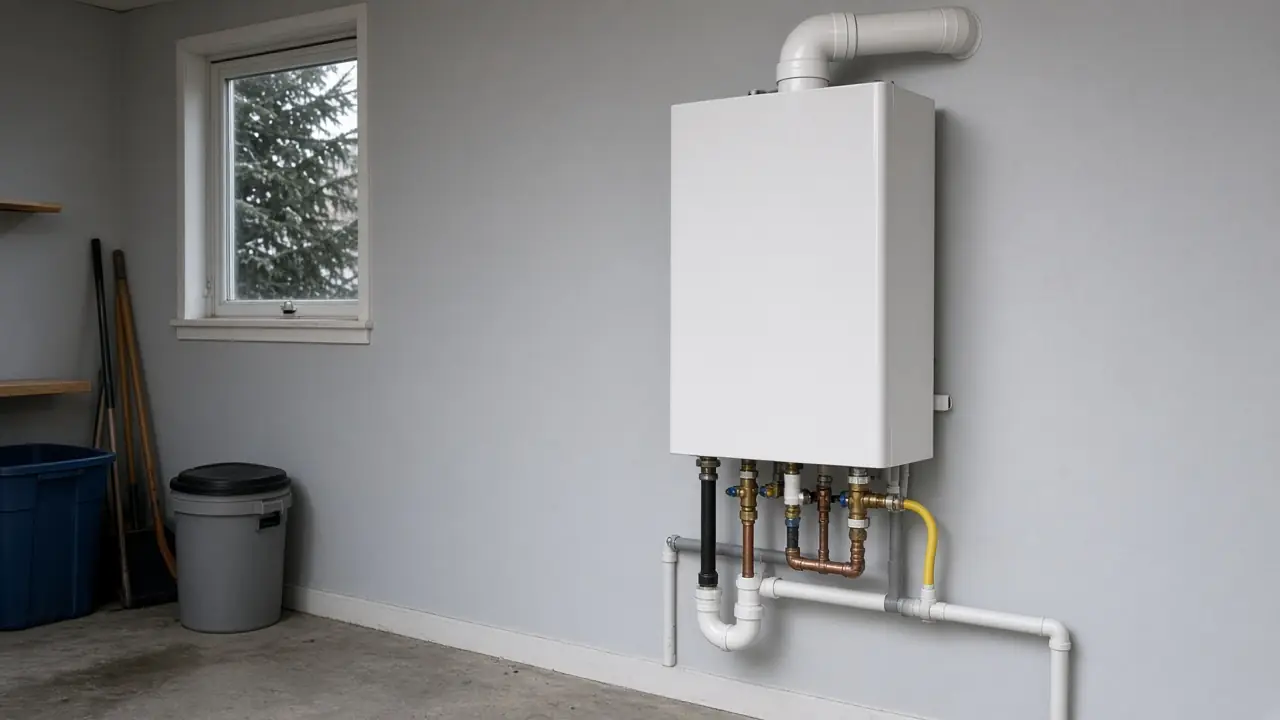
When replacing a tankless unit in Lake Oswego, OR, recheck gas line capacity against the new model's input, confirm vent compatibility, refresh condensate handling, add or replace isolation valves, and make sure the new unit supports the home's recirculation setup. In linked systems, check whether the replacement can be cascaded with the remaining units, or whether replacing all units together makes more sense. A permit is generally required.
Large homes in Lake Oswego often have sophisticated hot-water systems. Replacing one component should preserve the whole system's performance.
One unit or all?
If a single unit in a linked system fails and the others are the same age, the others may not be far behind. Also, mixing old and new models may not be possible if the linking protocol changed. Ask the installer whether the new unit can cascade with the existing ones.
Recirculation compatibility
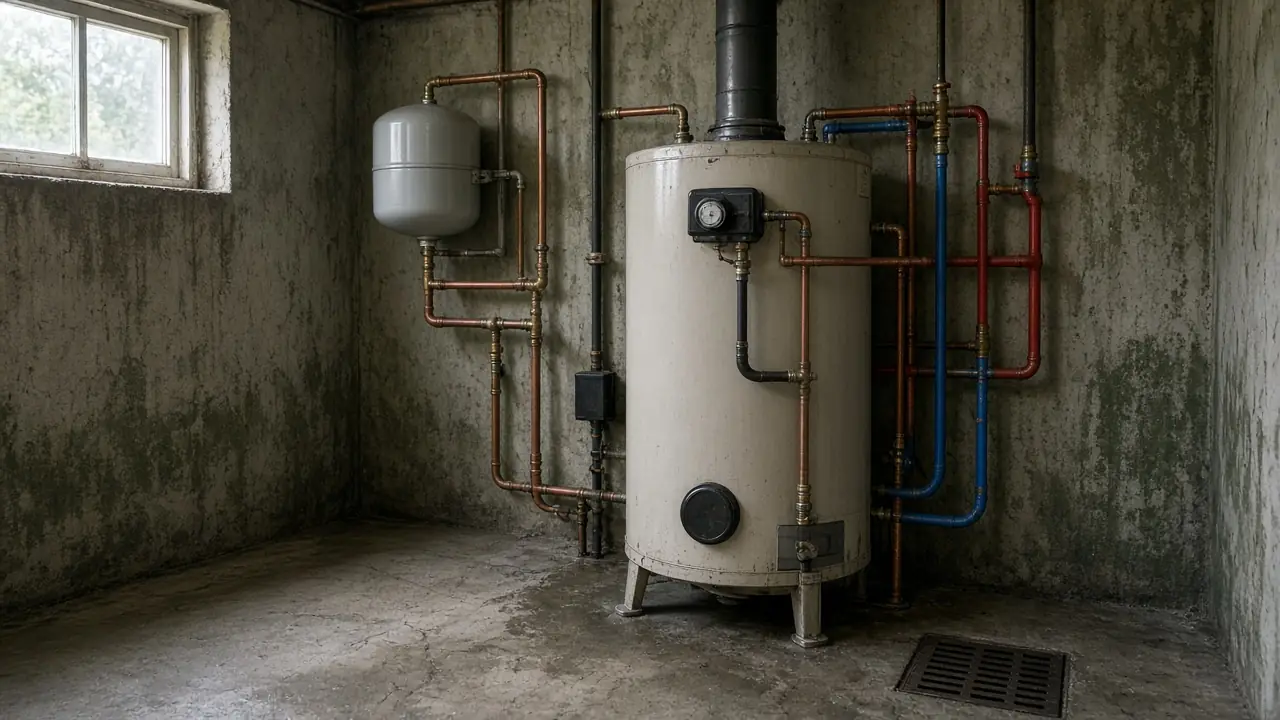
Choose a replacement that supports the home's recirculation method: built-in pump, external pump with a buffer tank, or demand-activated recirc. Mismatches cause short-cycling and comfort complaints.
Vent and gas
Confirm the vent material and length are approved for the new model and that terminations meet current clearances. Recalculate gas load if inputs increase or gas appliances were added.
Condensate and valves
Replace neutralizer media, confirm drainage, and install new isolation valves and a relief valve.
Considering a change of system
Some homeowners decide to switch to a high-capacity tank, a heat pump water heater, or a hybrid setup. Energy Trust of Oregon lists incentives, and PGE explains heat pump water heaters on its water heater page. Compare options on water heater replacement in Lake Oswego.
Permits
Tankless replacement is generally permitted work; see the Oregon Building Codes Division. Local contacts start at the City of Lake Oswego.
Lake Oswego notes
Homes around Millennium Plaza Park and the lake often have tight mechanical rooms where units hang side by side; measure clearances for the new models. Hillside homes near George Rogers Park may have long vent runs that need special attention when vent rules change between models.
Planning the install day
Replacing linked or high-capacity units in a large home takes longer than a single swap, especially if vents change. Plan for hot water to be off for most of a day, protect finished floors along the route, and confirm that the recirculation pump, timer, and any smart controls are reprogrammed afterward. Ask for a walkthrough once the new units are running so you know how to read their displays and where the isolation valves are.
Smart controls and app settings
Many newer units connect to apps or home automation for scheduling recirculation and tracking codes. After the swap, re-pair any app, reset schedules, and confirm alerts still reach the right phone.
Living with a water heater in Lake Oswego
Lake Oswego wraps around Oswego Lake south of Portland, bordered by the Willamette River on the east and wooded hills to the west. Many homes are larger than the metro average, with more bathrooms, soaking tubs, and long pipe runs, and a good share use hot-water recirculation or more than one heater. Older neighborhoods near downtown and the river include 1940s through 1960s houses with masonry chimneys that once vented both a furnace and a water heater; furnace upgrades have left many water heaters venting alone in chimneys that are now too large. Hillside lots create daylight basements where the heater sits against a below-grade wall, often close to finished space. Much of the city's water comes through the Lake Oswego Tigard Water Partnership from the Clackamas River, which is relatively soft, so scale is rarely the main problem. Capacity, venting, and protecting finished basements are the local factors that come up most often for Lake Oswego water heaters.
What a tankless swap in Lake Oswego should include
- Cause of the old unit's failure documented
- New unit's maximum input compared with the gas line capacity
- Vent material, diameter, and length matched to the new manual
- Condensate drain, neutralizer, and route confirmed or added
- Isolation valves, relief valve, and inlet filter replaced or added
- Connection spacing adapted with proper fittings
- Freeze protection and outage plan reviewed
- Permit pulled and inspection completed
Tankless swap prep list for Lake Oswego
Before replacing a tankless unit in Lake Oswego, gather the old unit's model and serial, the install date, the vent material and route, and any repair history. Photograph the gas connection, water connections, condensate line, and outside terminations. Note any changes since the original install, such as added bathrooms or gas appliances. Ask quotes to confirm vent compatibility, gas load, condensate handling, valves, and permit in writing.
Lake Oswego at a glance
- Location: Lake Oswego, Oregon, about 15–20 minutes south of central Portland.
- Local landmarks used on this page: Millennium Plaza Park, George Rogers Park.
- City information and building contacts: City of Lake Oswego.
- State permit rules: Oregon Building Codes Division.
- Utilities: PGE or another electric utility and NW Natural gas serve most addresses; incentives are listed by Energy Trust of Oregon.
- Nearby city page: Tigard.
- Map: the map on this page shows Lake Oswego, Oregon at city level, not a business address.
Related pages
If the unit might be repairable, start with tankless water heater repair in Lake Oswego. For a first install, see tankless water heater installation in Lake Oswego. The Lake Oswego overview lists every page, tankless water heater replacement in Portland covers the metro, and Milwaukie's tankless replacement page is across the river.